


Introduction to Taif Rose Essential Oil
What Taif Rose Essential Oil Is?
Taif Rose Essential Oil is a highly concentrated aromatic oil extracted from a special variety of Damask rose found only in Taif, Saudi Arabia.

This oil is known for:
-
A deep, sweet, luxurious floral scent
-
A slightly fruity lychee-like note
-
Soft green tones
-
A mild spicy undertone
It is considered one of the rarest and finest rose oils in the world, often compared with Bulgarian and Turkish rose oils but recognized as distinct because of its aroma profile.
Why it is called “essential oil”?
Because it contains the pure essence of the rose’s fragrance and chemical compounds, captured through distillation.

Essential oils are extremely potent:
-
Just 1 drop can contain the aroma of hundreds of petals
-
It must be used carefully and diluted for skin or aromatherapy use
Where It Comes From?
Taif rose essential oil comes from the mountain region of Taif, located near Mecca in Saudi Arabia.

Key environmental factors:
-
Altitude of around 2000 meters
-
Cool mountain air
-
Rich volcanic soil
-
Large temperature difference between day and night
These conditions create:
-
Stronger fragrance molecules
-
More complex aroma chemistry
-
Slightly sweeter, fruitier notes than other rose oils
The rose variety used is Rosa damascena Miller var. trigintipetala Dieck, a 30-petaled Damask rose grown specifically in this area.
This special environment + unique rose species = an oil that cannot be replicated elsewhere.
Why It Is Rare and Valued?
Taif Rose Essential Oil is rare for three main reasons:
A. Extremely labor-intensive production
To produce only 1 milliliter of Taif rose oil, it takes about:
👉 40,000 rose petals
👉 Picked by hand
👉 Only at dawn
This makes it one of the most expensive essential oils.
B. Short harvesting window
The roses bloom for less than one month each year.
Farmers must work quickly and carefully, picking the petals before the sun rises (heat reduces the oil content).
C. Traditional distillation methods
Producers use:
-
Steam distillation
-
Hydro distillation
These methods are:
-
Slow
-
Precise
-
Designed to preserve the delicate rose aroma
Because the process is handmade and traditional, the oil holds high cultural and historic value.
D. Complex chemical profile
The oil contains:
-
Citronellol
-
Geraniol
-
Nerol
-
Linalool
These compounds create its:
-
Deep floral base
-
Sweet and fruity middle
-
Slightly spicy top notes
The richness of these aromatics is what makes the oil so prized in perfumes and aromatherapy.
What Makes Taif Rose Oil Special?
Taif rose oil is not “just another rose oil.” Its uniqueness comes from how it is grown, how it is harvested, and how it is extracted.
We will go step-by-step.
Harvesting at Dawn
The roses used for Taif rose essential oil must be harvested very early in the morning, usually between 3:00 AM and sunrise.
Why harvest before sunrise?
Because:
-
The petals contain the highest oil concentration at dawn
-
Sunlight and heat cause the essential oil to evaporate
-
The fragrance chemicals are most stable in cool air
If you harvest after sunrise:
-
The petals lose aroma
-
The final oil becomes weaker
-
More flowers are needed to produce the same amount of oil
This is why Taif rose harvesting is:
-
Time-sensitive
-
Labor-intensive
-
Requires experienced workers
This careful timing gives Taif rose oil its deep, fresh, and delicate scent.
Traditional Distillation Process
After the roses are picked, they are distilled using steam distillation or hydro distillation.

Let’s break these down:
A. Steam Distillation
-
Roses are placed in a large chamber.
-
Steam passes through the petals.
-
The heat releases the essential oil.
-
The steam + oil vapor travels through a condenser.
-
It cools and separates into:
-
Rose essential oil
-
Rose water (hydrosol)
-
This method helps preserve delicate aroma molecules.
B. Hydro Distillation
-
Roses are boiled directly in water.
-
Vapor carries the aromatic compounds.
-
Condensation separates oil from rose water.
This is an older, more traditional method still used in parts of Taif.
Why traditional methods matter:
-
They protect the natural, fresh aroma
-
They avoid chemical solvents
-
They produce a “cleaner” and more natural oil
This slow, careful extraction is one reason Taif rose oil is very expensive.
Chemical Composition & Aroma Profile
Taif rose oil has a rich and complex chemical structure, which creates its signature scent.

Major components include:
A. Citronellol
Gives:
-
Fresh sweetness
-
Clean, rosy notes
This is the “classic rose smell” ingredient.
B. Geraniol
Gives:
-
Soft floral tone
-
Slight sharpness
-
Long-lasting fragrance
Very important in perfumery.
C. Nerol
Gives:
-
Bright citrus-floral notes
-
Sweet freshness
-
A more vibrant aroma
Adds freshness and elegance.
D. Linalool
Gives:
-
Light spice note
-
Soft woody undertones
-
Gentle calming effect
This component enhances the emotional and aromatherapy properties.
Why this chemical mix is special?
Taif roses grow in high altitude (around 2000 meters).
The colder climate produces:
-
Higher essential oil content
-
Stronger aroma compounds
-
Fruity lychee-like notes not found in Turkish or Bulgarian roses
This chemical signature is what makes Taif rose oil:
-
Softer
-
Richer
-
More luxurious
-
More complex
than most other rose oils.
Use in Perfumery
Taif rose oil is considered a treasure in the world of perfumery. Its scent profile, rarity, and complexity make it a premium ingredient that perfumers highly value.

We will go through each part step by step.
Why Perfumers Value Taif Rose?
Perfumers love Taif rose because it offers a unique combination of characteristics:
A. Its scent is rare and unmistakable
Taif rose has:
-
Deep floral tones
-
A fruity, lychee-like sweetness
-
Soft green freshness
-
A gentle spicy edge
-
A smooth, elegant finish
This complexity is almost impossible to duplicate using synthetic ingredients.
B. It gives perfumes a “natural luxury” feel
Even a few drops of Taif rose can make a fragrance smell:
-
More refined
-
More sophisticated
-
More expensive
-
More emotionally evocative
This oil elevates the entire perfume composition.
C. Extremely long-lasting
Rose oils usually have good staying power, but Taif rose is exceptional.
Its scent:
-
Lasts longer
-
Evolves beautifully over time
-
Creates depth in the fragrance
This is especially important in attars and oud-based perfumes.
Role in Luxury Perfumes and Attars?
Taif rose is one of the most sought-after flowers in the Middle East for perfume making.
A. Used in Luxury Perfumes
It serves as:
-
A heart note (central theme of the perfume)
-
Sometimes even a top note for immediate impact
-
A bridge that connects citrus, spice, and woody notes
Perfumes containing Taif rose smell rich, elegant, and timeless.
B. Essential in Traditional Middle Eastern Attars
Attars are concentrated, oil-based fragrances.
Taif rose is often combined with:
-
Oud
-
Amber
-
Musk
-
Sandalwood
-
Saffron
-
Frankincense
The result is:
-
Warm
-
Complex
-
Long-lasting
Taif rose is cherished in Gulf countries for ceremonial, cultural, and daily fragrance use.
How It Blends With Other Notes?
Taif rose blends effortlessly with many fragrance families.
Let’s break down its best companions:
A. Woods
-
Oud
-
Sandalwood
-
Cedarwood
-
Patchouli
These create deep, warm, iconic Middle Eastern scents.
B. Citrus
-
Bergamot
-
Lemon
-
Grapefruit
These brighten the rose and add freshness.
C. Spices
-
Cardamom
-
Clove
-
Saffron
These enhance its slight spicy undertone.
D. Florals
-
Jasmine
-
Orange blossom
-
Violet
These create rich floral bouquets.
E. Resins and Ambers
-
Labdanum
-
Ambergris (synthetic or natural)
-
Benzoin
These add warmth and longevity.
Examples of Its Use
A. High-End Middle Eastern Perfumes
Many Arabian perfumers use Taif rose as a signature note in:
-
Attars
-
Perfume oils
-
Mukhallats (blended oils)
-
Modern spray perfumes
Its high value gives the fragrance prestige.
B. International Niche Perfumes
Some luxury European brands include Taif rose as a highlight ingredient due to its fascinating origin and unique aroma.
C. Personal Fragrance Blends
Perfumers may use only a small drop to:
-
Add elegance
-
Add complexity
-
Create emotional depth
-
Improve the “story” of the perfume
Taif rose is often the ingredient that transforms a good fragrance into an exceptional one.
Aromatherapy Benefits of Taif Rose Essential Oil
Aromatherapy uses natural plant scents to influence mood, stress levels, and emotional well-being.
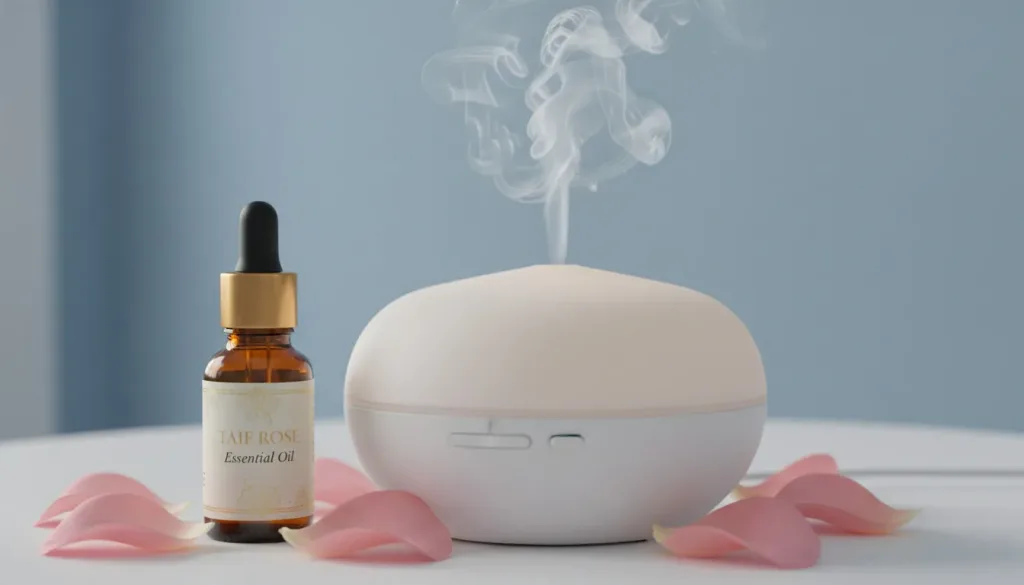
Taif rose essential oil is particularly prized because its aroma is:
-
Deep
-
Sweet
-
Comforting
-
Emotionally grounding
-
Gently uplifting
Let’s explore each part in depth.
Emotional and Calming Benefits
Taif rose oil has a profound emotional impact due to its complex chemical structure and rich floral scent.
✔ The emotional effects include:
A. Calming the mind
The scent helps lower mental tension by influencing the limbic system (the brain’s emotional center).
This leads to:
-
Reduced mental noise
-
More clarity
-
A sense of inner balance
B. Easing emotional heaviness
People often use rose aroma during:
-
Sadness
-
Emotional fatigue
-
Anxiety
-
Stressful life events
The scent is comforting and helps restore a sense of stability.
C. Uplifting the mood
The oil creates a gentle, natural mood-lifting effect by:
-
Encouraging positivity
-
Softening emotional pressure
-
Helping the mind relax
It is commonly used during meditation, reflection, or quiet moments.
D. Creating emotional warmth
The warm floral scent can make a space feel:
-
Safe
-
Peaceful
-
Welcoming
This is why many people diffuse it in bedrooms or living rooms.

Stress Reduction & Mood-Lifting Benefits
Taif rose essential oil contains natural compounds such as linalool, citronellol, and geraniol, which influence the nervous system.
These compounds:
A. Reduce stress hormones
Studies on rose oils show reduced levels of:
-
Cortisol (stress hormone)
-
Heart rate variability related to stress
The body begins to relax naturally.
B. Support emotional stability
Taif rose is ideal for:
-
Meditation
-
Breathwork
-
Resting the mind
-
Emotional grounding
It brings the nervous system into a calmer state.
C. Promotes deep relaxation
People often use Taif rose oil to:
-
Prepare for sleep
-
Unwind after a stressful day
-
Calm the mind before prayer or meditation
Its scent gently slows the nervous system, creating relaxation without making you sleepy during the day.
D. Encourages feelings of comfort and self-care
The smell of rose has strong emotional associations with:
-
Warmth
-
Comfort
-
Care
-
Softness
-
Positivity
This makes Taif rose ideal for personal emotional wellness routines.
How to Use Taif Rose Essential Oil in Aromatherapy
Because Taif rose essential oil is extremely concentrated and rare, it is usually used in very small amounts.
Here are the deep explanations of the main methods:
A. Diffusion
Add 1–3 drops to a diffuser.
The scent spreads throughout the room, creating a calming environment.
Best for:
-
Bedrooms
-
Meditation spaces
-
Living rooms
-
Relaxation time
B. Warm Bath
Add 1–2 drops mixed with a carrier oil (like almond or jojoba oil) into warm bathwater.
Benefit:
-
Deep relaxation
-
Aromatic steam
-
Stress relief
This is one of the most luxurious ways to enjoy rose.
C. Massage Blends
Mix 1 drop of Taif rose oil with:
-
10–20 drops carrier oil
Massage onto:
-
Shoulders
-
Back
-
Neck
-
Arms
Helps reduce:
-
Physical tension
-
Emotional stress
D. Personal Inhalation
Put 1 drop on:
-
A cotton pad
-
A cloth
-
A scent stone
Inhale gently during stressful moments.
E. Pillow or Bedroom Scent
Place a tiny amount near the pillow—not directly on it—to enjoy its aroma for sleep and relaxation.
Skincare & Cosmetic Uses of Taif Rose Essential Oil
Taif rose essential oil is highly valued in premium skincare for its:
-
Moisturizing properties
-
Soothing effects
-
Anti-aging support
-
Natural fragrance
-
Ability to improve skin appearance
Let’s explore each part in depth.

Moisturizing Qualities
Taif rose oil contains natural components (like geraniol and citronellol) that help the skin retain moisture.
A. How it moisturizes
The oil:
-
Forms a light protective barrier
-
Helps prevent water loss
-
Softens the top layer of the skin
-
Makes skin feel smoother and more hydrated
B. Ideal for dry or dull skin
It helps:
-
Reduce dryness
-
Improve softness
-
Bring a natural glow
Because the oil is concentrated, it is always used diluted in creams or carrier oils.
Soothing Sensitive Skin
Taif rose oil has natural calming and anti-irritation properties.
A. Helps reduce redness
Its gentle chemistry soothes:
-
Mild irritation
-
Temporary redness
-
Sensitivity
This makes it popular in skincare formulas for sensitive or reactive skin.
B. Very gentle compared to many essential oils
Many essential oils can irritate the skin, but rose oil is considered one of the most skin-friendly floral oils when properly diluted.
C. Helps comfort stressed skin
Environmental stress (pollution, heat, dryness) can make skin feel tight or uncomfortable.
Taif rose oil helps bring comfort and balance.
Anti-Aging Benefits
This is one of the reasons luxury skincare brands love Taif rose oil.
A. Natural antioxidant compounds
Taif rose oil contains antioxidants that help fight:
-
Free radicals (responsible for aging)
-
Skin stress caused by UV, pollution, and lifestyle
B. Supports smoother, fresher-looking skin
Regular use (in creams or serums) may help:
-
Improve fine lines
-
Support elasticity
-
Enhance skin radiance
C. Soft floral scent adds a luxury feel
High-end anti-aging products use Taif rose oil not just for benefits but also for its rich, elegant aroma.
Use in Creams, Lotions, and Hydrosols
A. Creams & Moisturizers
Taif rose oil is added to:
-
Facial creams
-
Night creams
-
Rich moisturizers
to boost hydration and add soothing properties.
B. Lotions & Body Milks
Skincare companies use it to:
-
Add a luxurious scent
-
Moisturize the skin
-
Create a high-end feeling product
C. Lip Balms & Serums
Because of its gentle properties, Taif rose oil is used in:
-
Lip balms
-
Facial oils
-
Serums for glowing skin
It adds fragrance + comfort to the skin.
D. Rose Hydrosol (Rose Water)
Taif rose hydrosol is a natural toner that helps:
-
Refresh skin
-
Calm irritation
-
Add hydration
-
Prepare the face for other skincare products
It is much milder than the essential oil and safe to spray directly on the skin.
Bath & Body Applications of Taif Rose Essential Oil
Taif rose essential oil is widely used in premium bath and body products because of its:
-
Long-lasting fragrance
-
Emotional calming effects
-
Skin-soothing properties
-
Luxurious sensory experience
Let’s go into each point in depth.
Enhancing Bath Oils, Soaps & Washes
Taif rose oil is often added to:
-
Bath oils
-
Shower gels
-
Body washes
-
Handmade soaps
-
Aromatic bath salts
A. Why use Taif rose in bath products?
1. Rich aroma releases beautifully in warm water
Warm water helps essential oils spread into the air.
This makes baths feel:
-
Relaxing
-
Aromatic
-
Spa-like
Taif rose’s subtle fruity + floral scent becomes even more pronounced in steam.
2. Skin absorbs diluted oils in the bath
A few drops mixed with carrier oil or milk can:
-
Moisturize skin
-
Soften skin
-
Reduce dryness
3. Creates a mood-enhancing environment
Perfect for:
-
Ending a stressful day
-
Meditation baths
-
Relaxation rituals
Creating Luxury Personal-Care Products
Taif rose essential oil is found in:
-
Body lotions
-
Body creams
-
Body butters
-
Perfumed body oils
-
Hair oils
-
Body mists
What makes Taif rose perfect for these products?
A. It elevates the scent profile
Even a small amount makes the product smell:
-
Expensive
-
Romantic
-
Fresh
-
Floral
-
Soft
The scent feels “designer-like,” which is why luxury brands use it.
B. Skin benefits add real value
Besides smell, the oil adds:
-
Soothing effects
-
Moisturizing support
-
Anti-redness properties
Many body-care products use rose oil because it is both functional and fragrant.
C. Works well with other skincare ingredients
It blends easily with:
-
Shea butter
-
Coconut oil
-
Almond oil
-
Aloe vera
-
Vitamin E
This makes formulation easier for cosmetic brands.
Scent Longevity on Skin
One of the reasons Taif rose is prized in bath and body products is because it lasts longer on the skin compared to many floral essential oils.
Why does it last long?
A. Natural fixative properties
Taif rose contains heavier aromatic molecules that:
-
Evaporate slowly
-
Bind to skin oils
-
Stay noticeable for hours
This makes it a “fixative” — an ingredient that helps the scent last longer.
B. Works beautifully as a base for layering
You can layer:
-
Taif rose body lotion
-
Taif rose body mist
-
A Taif rose perfume or attar
This builds a strong, long-lasting personal scent.
C. Body heat enhances the scent
As the body warms during the day:
-
The scent becomes richer
-
Floral notes open up
-
Sweet notes become more noticeable
This is why Taif rose is commonly used in Arabian personal-care routines — the scent performs beautifully in warm climates.
Traditional & Culinary Uses of Taif Rose
Even though Taif essential oil is extremely valuable and mainly used for perfumery, aromatherapy, and skincare, the Taif rose flower itself has a much older and broader history.

Traditional Herbal & Medicinal Uses of Rose
For centuries, rose extracts (not essential oil) have been used in traditional medicines across:
-
Middle Eastern herbal practices
-
Persian medicine
-
Greek medicine
-
Ayurveda
-
Unani medicine
Taif rose comes from this same cultural tradition.
✔ Traditional benefits often associated with rose:
A. Calming emotional tension
Rose petals and rose teas have long been used to:
-
Reduce emotional agitation
-
Promote gentle relaxation
-
Ease feelings of heaviness
This is because rose aroma is naturally soothing.
B. Supporting digestive comfort
Rose-infused teas were sometimes used for:
-
Mild digestive discomfort
-
Light cramping
-
Gentle detoxification
The calming nature of rose helps relax the stomach.
C. Anti-inflammatory & skin-soothing uses
Rose water and crushed petals have been used for:
-
Soothing irritated skin
-
Cooling heat-related redness
-
Herbal compresses on the face
These uses are mild and gentle, based on natural plant properties.
Important Note:
These traditional uses refer mostly to:
-
Rose petals
-
Rose tea
-
Rose water (hydrosol)
NOT the concentrated essential oil, which is too strong for internal use unless under expert supervision.
Taif Rose Water in Middle Eastern Cuisine
Taif rose water (a hydrosol made during distillation) is a beloved ingredient in Middle Eastern kitchens.
It adds a soft, floral, elegant flavor to many foods.

✔ Common uses in cooking:
A. Desserts
-
Baklava
-
Rice pudding
-
Mahalabiya (milk pudding)
-
Knafeh syrup
-
Turkish delight
-
Ice creams
Rose water adds a delicate, sweet floral note that enhances sugar-based desserts.
B. Drinks
Used in:
-
Rose lemonade
-
Milk drinks
-
Sweetened cold beverages
-
Herbal teas
It gives a refreshing, fragrant lift.
C. Some savory dishes
In certain regions, rose water is added in very small amounts to:
-
Rice dishes
-
Spice blends
-
Meat marinades
This is rare but still part of traditional culinary art.
Why rose water works in food:
Rose water has a light aroma that blends easily with:
-
Sugar
-
Milk
-
Cardamom
-
Cinnamon
-
Nuts
-
Honey
This is why Middle Eastern desserts have such a recognizable flavor profile.
Essential Oil vs Rose Water (Hydrosol) – Very Important Difference
This is a crucial distinction for safety and correct understanding.
A. Essential Oil
-
Extremely concentrated
-
Made during distillation
-
Potent aroma
-
Not used in cooking
-
Strong and expensive
1 drop contains the aromatic power of hundreds of rose petals.
It is meant for:
-
Perfume
-
Aromatherapy
-
Skincare (diluted)
-
Luxury products
B. Rose Water (Hydrosol)
-
Much gentler
-
Water-based
-
Mild floral flavor
-
Safe for food
-
Common in households
This is what you taste in desserts and drinks.
Why essential oil is NOT used in food
Because:
-
It is far too strong
-
It may irritate internally
-
A single drop can overpower a whole dish
-
It requires professional guidance
Rose water provides the same flavor in a safer, milder form.