

Description: Agarwood Essential Oil is one of the most precious essential oils in the world, often leading the US agarwood essential oil market in exclusivity. Depending on the origin, people also refer to it as pure Oud oil, Aloeswood essential oil, Eaglewood, and various other names like agar oil. Agarwood has held value in many cultures and religions for its unique fragrance, which is a combination of “oriental-woody” and “fruity-floral” notes. In early Chinese and Japanese civilizations, the agarwood tree wood was crushed then heated to release its aroma. The oleoresin extracted is made use in high-end perfumery as a fixative, while in ancient India, it was used in Ayurvedic medicine to treat a variety of physical and mental conditions, often to pacify Vata dosha and calm the spirit. The Agarwood tree is rarely found growing in the wild now-a-days. Aquilaria malaccensis, the main oil-producing species, creates this resin only when infected by a specific mold (often Phialophora parasitica), and is considered “threatened” by many conservationist organizations. Consequently, the natural agarwood essential oil market is heavily regulated, and many countries have consequently made it illegal to cut down the tree in natural forests.
Because of its extreme rarity and the long aging process required, Agarwood essential oil is one of the most expensive oil natural extracts in today’s market. The high agarwood oil processing plant cost and low yield (often requiring hundreds of kilos of wood for a liter of oil) contribute to this value. No other similar species or known synthetics have successfully replicated its deep, psychoactive scent, making it highly distinctive. Agarwood oil brings alertness, calms the nervous system, relieves anxiety, invokes a sense of strength and peace, often referred to as “liquid gold” in the Middle East.. Large-scale production for the agarwood oil wholesale market takes place in Southeast Asia, particularly India (Assam), Bhutan, Vietnam, Cambodia, The Philippines, and Indonesia.
Market Insights: Price & Quality
What is the typical agarwood oil price range?
Due to the scarcity of infected Aquilaria trees, the price of agarwood oil can vary significantly. In the global market, prices often range from $50 per ml for plantation oils to over $500 per ml for wild-harvested Kynam or Kyara. Many traditional markets also price per tola (approx. 12ml). Our agarwood current price structure offers accessibility for both enthusiasts and bulk buyers, positioning us competitively within the agarwood price range information available globally.
Why buy agarwood oil from us?
Unlike diluted options sometimes found in the generic agarwood market (often mixed with DPG or synthetic woods), our product is pure agarwood oil, steam-distilled from Aquilaria agallocha oil, ensuring the authentic therapeutic profile sought by professionals. We provide transparency on agarwood prices and quality.
Botanical Name: Aquilaria agallocha (syn. Aquilaria malaccensis)
Plant Part: Trees (Resinous Infected Heartwood)
Extraction Method: Steam distillation
Odor and Appearance: Thick and resinous with a deep shade of brown to amber; intense, tenacious, warm woody aroma.
Country of origin: India
Main Constituents: a-agarofuran, 4-phenyl-2-butanone, furfural, Sesquiterpenes and benzaldehyde
Common Uses: Agarwood essential oils are widely used in luxury perfumery and are valued for its distinct aroma, with therapeutic properties and cultural significance in ceremonies and traditional medicine. It acts as a powerful base note that lingers for days.
Note: Base note.
Blends well with: Agarwood essential oil blends well with a variety of fragrance notes, adding depth, complexity, and an exotic touch to perfumes. Some common ingredients that harmonize nicely with agarwood include rose (making the classic “Rose & Oud” combo), ylang-ylang, saffron, cardamom, cinnamon, bergamot, and lemon etc.
Contraindications: Agarwood essential oil is considered safe to use in moderation, both topically as well as internally (under supervision). However, it is always best to do a patch test before applying it extensively to the skin. Diluting it adequately with a suitable carrier oil like Jojoba is necessary due to its potency. Lengthy exposure to Agarwood fumes may induce drowsiness and encourage unwanted sleep due to its sedative properties. Do not inhale it if you are about to drive or operate machinery. Agarwood is not recommended for children under six years old. It should only be administered sparingly to older kids. Medical practitioners should be consulted by pregnant or nursing women before using Agarwood oil or any of its blends.
FAQ: Understanding Agarwood
Why is agarwood oil so expensive?
The high price reflects the rarity of the raw material. Only trees infected with a specific mold produce the resin, and it can take decades to mature.
What is the difference between Agarwood and Oud?
They are the same; ‘Agarwood’ is the wood, while ‘Oud’ is the Arabic term often used for the oil or the resinous wood chips.
These statements have not been evaluated by the Food and Drug Administration. This product is not intended to diagnose, treat, cure, or prevent any disease.
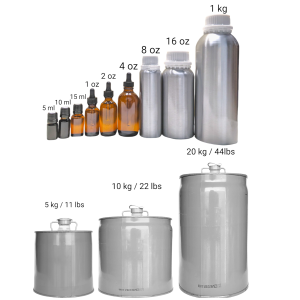
For large quantities or agarwood oil wholesale inquiries, please contact us via our phone number or through the Contact Us page.
Like us on Facebook.




Reviews
There are no reviews yet