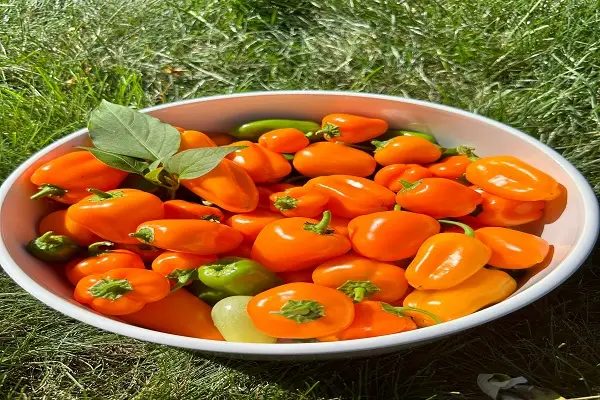
Description: Paprika oleoresin, also scientifically known as paprika extract or by the additive code E160c, is a natural, oil-soluble extract derived from the fruits of Capsicum annuum (the same peppers used to make paprika powder). Unlike standard powder, paprika extract offers a standardized pigment punch. It’s primarily used as a paprika food coloring and/or flavoring agent in food products, but also finds applications in cosmetics and pharmaceuticals. Oleoresins are semi-solid extracts composed of a resin in solution in an essential and/or fatty oil, obtained by evaporation of the solvent(s) used for their production.
What is Paprika Oleoresin 120000 CU?
In paprika oleoresin, “CU” stands for Color Units. It’s a measure of the pigment concentration and intensity of the red color (paprika pigment) in the oleoresin, primarily due to carotenoid compounds like capsanthin and capsorubin. While products like Prinova paprika oleoresin or DDW colours llc paprika oleoresin exist in the industrial market, our 120,000 CU specification ensures a professional-grade intensity.
Different paprika oleoresin products are available with varying CU values, typically ranging from 20,000 CU to 100,000 CU or even higher. This range dictates the paprika extract color intensity for specific applications (e.g., food coloring in processed meats, sauces, snacks, or even animal feed).
A higher CU value indicates a more concentrated and vibrant red color. So, Paprika Oleoresin 120,000 CU means it’s a very highly concentrated and intensely colored product, far more potent than granulated paprika oleoresin or standard powder.
Botanical Name: Capsicum Annuum
Plant Part: Fruit
Processing Method: Solvent Extraction (resulting in a pure paprika extract)
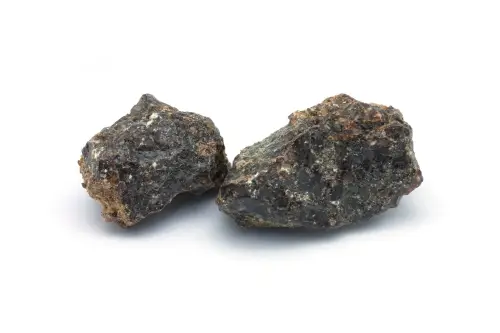
Odor and Appearance: A viscous, deep red colored liquid paprika with a pungent top note.
Country of origin: India (A hub for paprika oleoresin price competitiveness)
Main Constituents: Capsanthin and capsorubin
Common Uses & Benefits:
- Food Industry: Used as a Paprika food coloring agent primarily, flavoring and spice in sauces, seasonings, and processed foods to add slight heat and color. Often used as a natural alternative to artificial reds to create what makes orange food coloring blends.
- Cosmetics and Personal Care: Incorporated in products for its warming properties and as a natural preservative.
- Pharmaceuticals: Used in topical analgesics for pain relief and in formulations for its potential health benefits.
- Nutritional Supplements: Added for its metabolism-boosting effects and as a natural appetite suppressant.
- Culinary Applications: Used by chefs and food enthusiasts to enhance dishes with heat and flavor in cooking and gourmet sauces. Note: For those asking where can I purchase high-grade oleoresin, this 120,000 CU version is ideal for bulk formulation.
NOTE: Our Paprika Oleoresin will have negligible amount of heat and is primarily recommended to be used as a natural oleoresin coloring agent.
Contraindications: Users often ask, is oleoresin paprika bad for you? Generally, it is considered safe and natural. Paprika oleoresin is oil-soluble and not suitable for water-based products without emulsifiers. Its color degrades with heat, light, and over time, limiting stability. It may also impart unwanted flavor or vary in pigment strength across batches.
Regarding paprika oleoresin side effects: Its active compounds can provide health benefits, yet they may also cause irritation or discomfort in sensitive individuals or those with oleoresin paprika allergy. Although it is a natural preservative, excessive use can lead to digestive issues. Lastly, while it enhances culinary creations, it may not blend well with all flavor profiles. Ensure you check if is paprika oleoresin natural aligns with your specific dietary requirements (e.g., oleoresin vegan certifications often apply to the raw material).
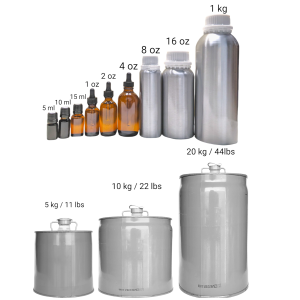
For large quantities or paprika oleoresin price per kg inquiries, please contact us via our phone number or through the Contact Us page.


Reviews
There are no reviews yet