

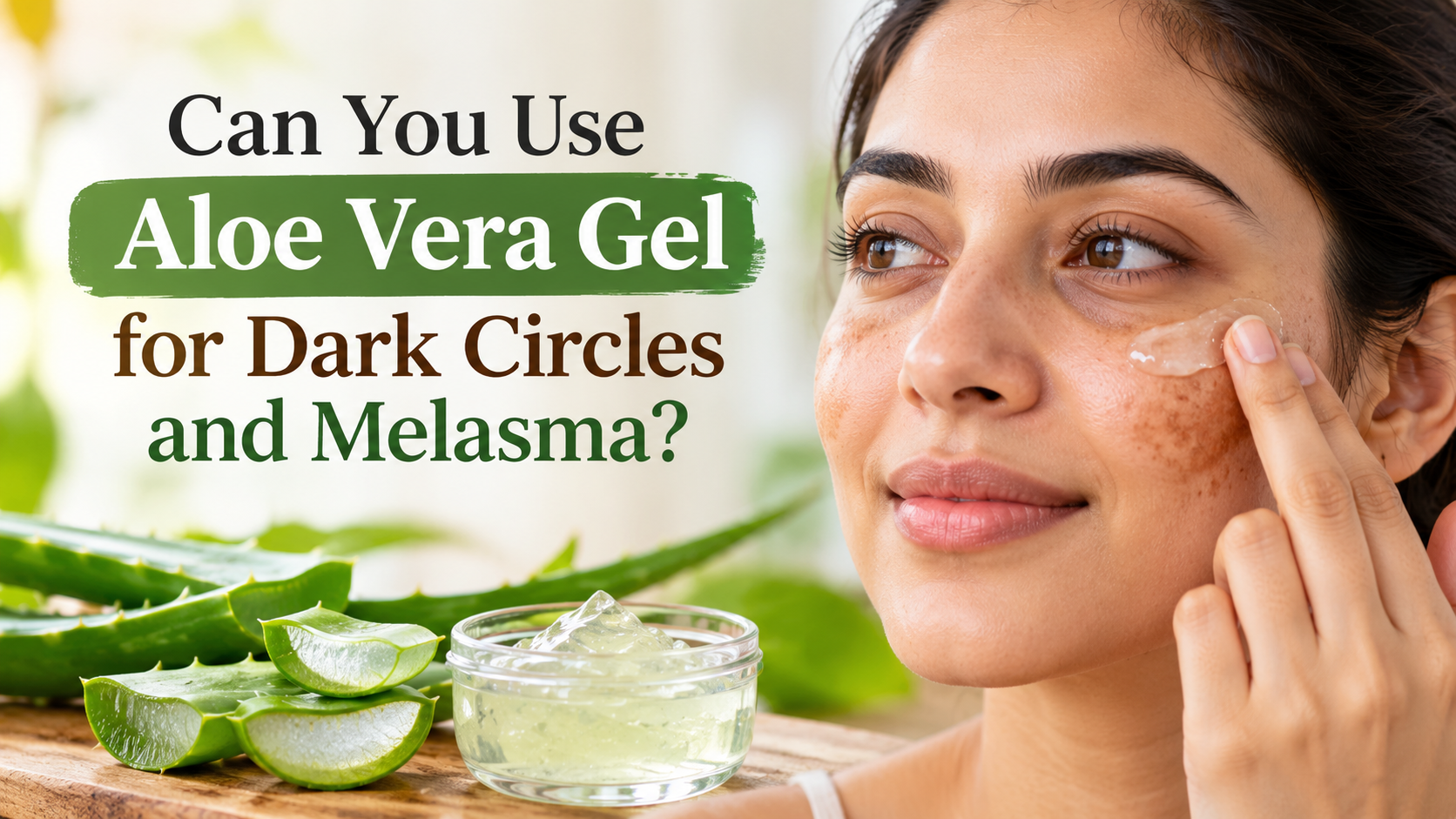


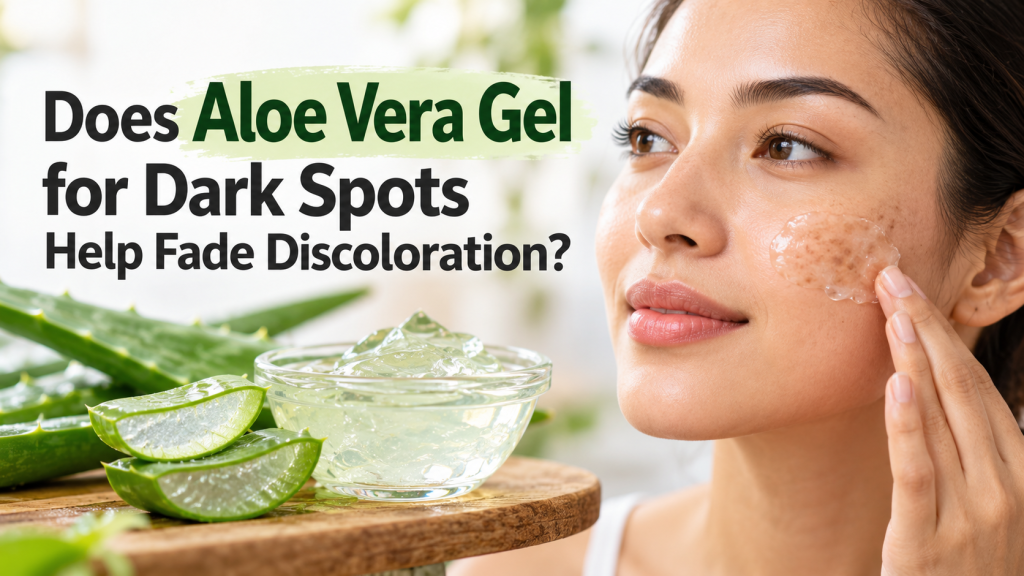
Dark spots, acne marks, and uneven skin tone can make your complexion appear less uniform. Aloe vera gel is a popular natural skincare ingredient because of its soothing and moisturizing properties. But can aloe vera gel for dark spots genuinely help fade discoloration? While it may support skin comfort, evidence that aloe vera alone significantly reduces pigmentation remains limited. Understanding its benefits and limitations can help you build a safer skincare routine.

Does Aloe Vera Gel for Dark Spots Help Fade Discoloration?
Aloe vera contains plant compounds, including aloin, that have been investigated for their potential effects on pigmentation. However, most evidence does not establish aloe vera gel as a reliable standalone treatment for dark spots.
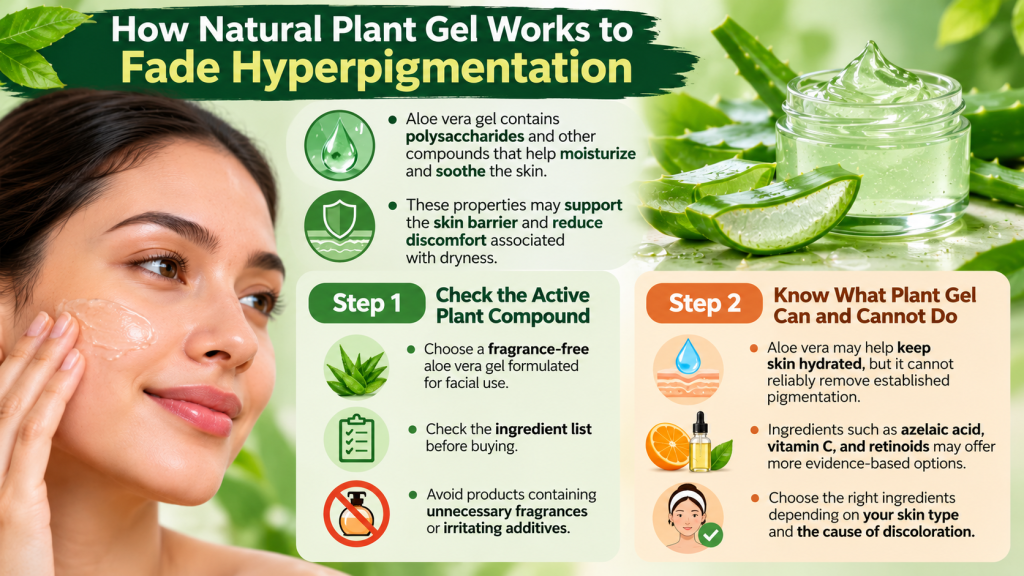
How Natural Plant Gel Works to Fade Hyperpigmentation
Aloe vera gel contains polysaccharides and other compounds that help moisturize and soothe the skin. These properties may support the skin barrier and reduce discomfort associated with dryness.
Step 1: Check the Active Plant Compound
Choose a fragrance-free aloe vera gel formulated for facial use. Check the ingredient list and avoid products containing unnecessary fragrances or irritating additives.
Step 2: Know What Plant Gel Can and Cannot Do
Aloe vera may help keep skin hydrated, but it cannot reliably remove established pigmentation. Ingredients such as azelaic acid, vitamin C, and retinoids may offer more evidence-based options, depending on your skin type and the cause of discoloration.
Can You Use Aloe Vera Gel for Dark Circles and Melasma?
Aloe vera may moisturize the delicate under-eye area, but it cannot reliably eliminate dark circles caused by genetics, pigmentation, visible blood vessels, or facial structure.
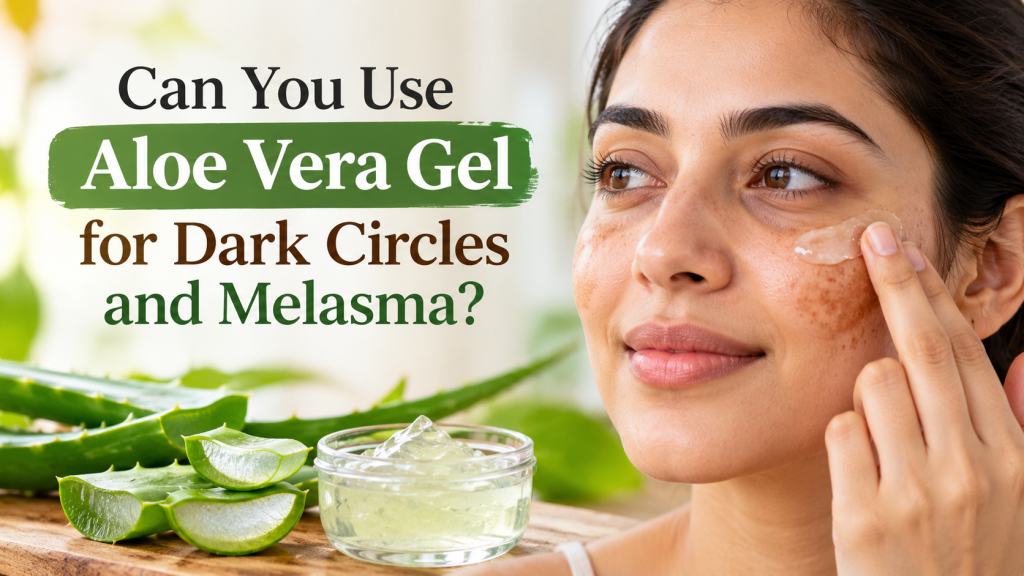
Testing Delicate Skin Near the Eyes
- Choose a gentle, fragrance-free product.
- Keep the gel away from the eyes and eyelids.
- Stop using it if burning, redness, or watering occurs.
Managing Stubborn Hormonal Melasma Patches
Melasma often appears as brown or gray-brown patches and may be influenced by hormonal changes and sunlight. Aloe vera is not a proven treatment. A dermatologist can recommend appropriate treatments and help prevent worsening pigmentation.

How to Apply Aloe Vera Skin Brightening Methods at Home
A consistent, gentle skincare routine is more useful than relying on a single natural ingredient.

How to Apply the Gel Step by Step
Daily Evening Application Routine
- Wash your face with a gentle cleanser.
- Apply a thin layer of suitable aloe vera gel to clean, dry skin.
- Allow it to absorb, then apply a moisturizer if needed.
- In the morning, use broad-spectrum SPF 30 or higher sunscreen.
Checking for Skin Sensitivity
Test the product on a small area first and monitor for irritation. Avoid applying aloe vera to broken skin or combining it with irritating products if your skin is already inflamed.
Common Application Errors That Slow Progress
Skipping Daily Sun Defense
Sun exposure can darken existing spots and contribute to new pigmentation. Apply sunscreen daily and reapply approximately every two hours outdoors, especially after sweating or swimming.
Expecting Overnight Transformations
Pigmentation fades gradually. Depending on its cause and treatment, improvement may take several weeks or months. Avoid aggressive scrubbing and harsh DIY mixtures.
Frequently Asked Questions
How long does aloe vera gel for dark spots take to work?
There is no established timeline because aloe vera alone has not been proven to fade dark spots reliably. Effective pigmentation treatments often require several weeks to months.
Can aloe vera gel for dark circles remove puffiness and shadows?
It may moisturize the skin, but evidence that it removes puffiness or dark-circle shadows is limited.
Is aloe vera gel for melasma safe for sensitive skin?
It may be tolerated by some people, but irritation or allergic reactions are possible. Patch-test first and seek professional advice for persistent melasma.
Conclusion: A Balanced Verdict
Aloe vera gel can be a useful moisturizing addition to a skincare routine, but it is not a guaranteed solution for dark spots, dark circles, or melasma. Prioritize daily sun protection, gentle skincare, and proven pigmentation treatments when appropriate. For persistent or worsening discoloration, consult a dermatologist to identify the cause and choose an effective treatment.

Ready to Care for Your Skin?
Build a gentle skincare routine with suitable aloe vera gel, daily SPF 30+ sunscreen, and evidence-based pigmentation treatments when needed. For stubborn dark spots or melasma, consult a dermatologist to find the right approach for your skin.
Start with gentle care. Stay consistent. Protect your skin daily.