

Advanced Witch Hazel Formulations: A Guide to Cosmetic Science & Product Development
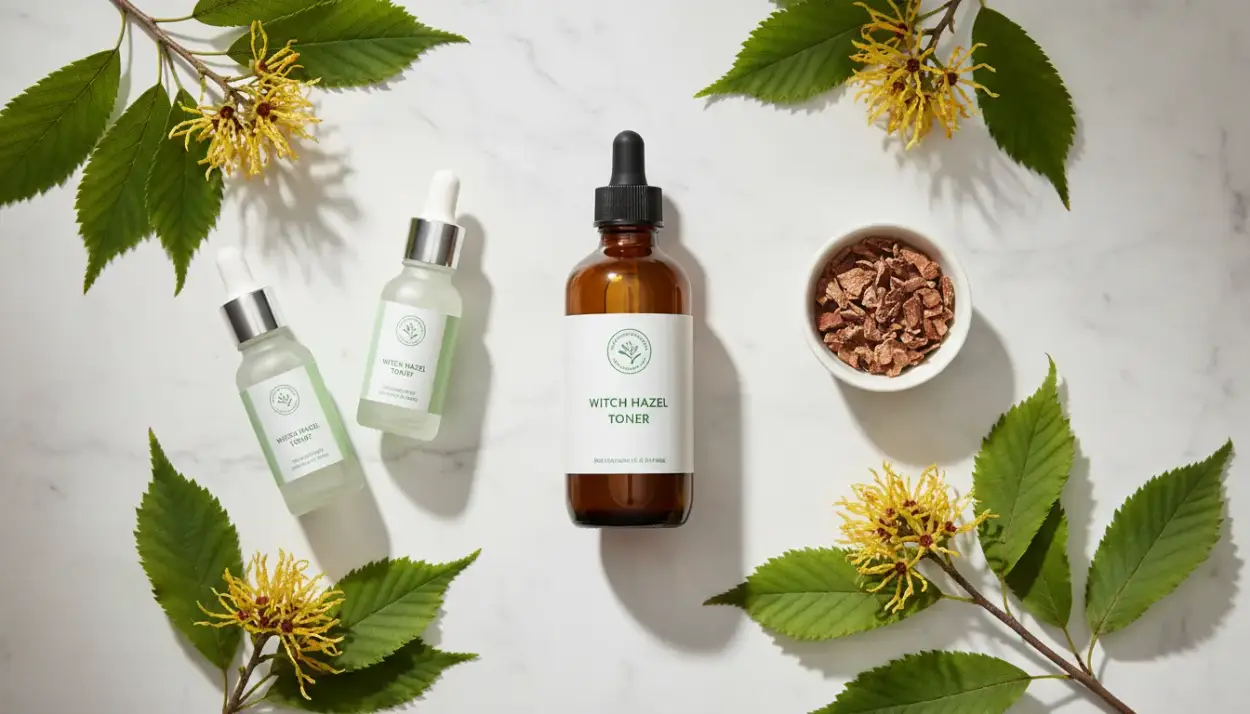
🌿 Advanced Formulations: Incorporating Witch Hazel into Complex Skincare Products Witch hazel is often seen as a simple toner ingredient—but in formulation science, it plays [...]


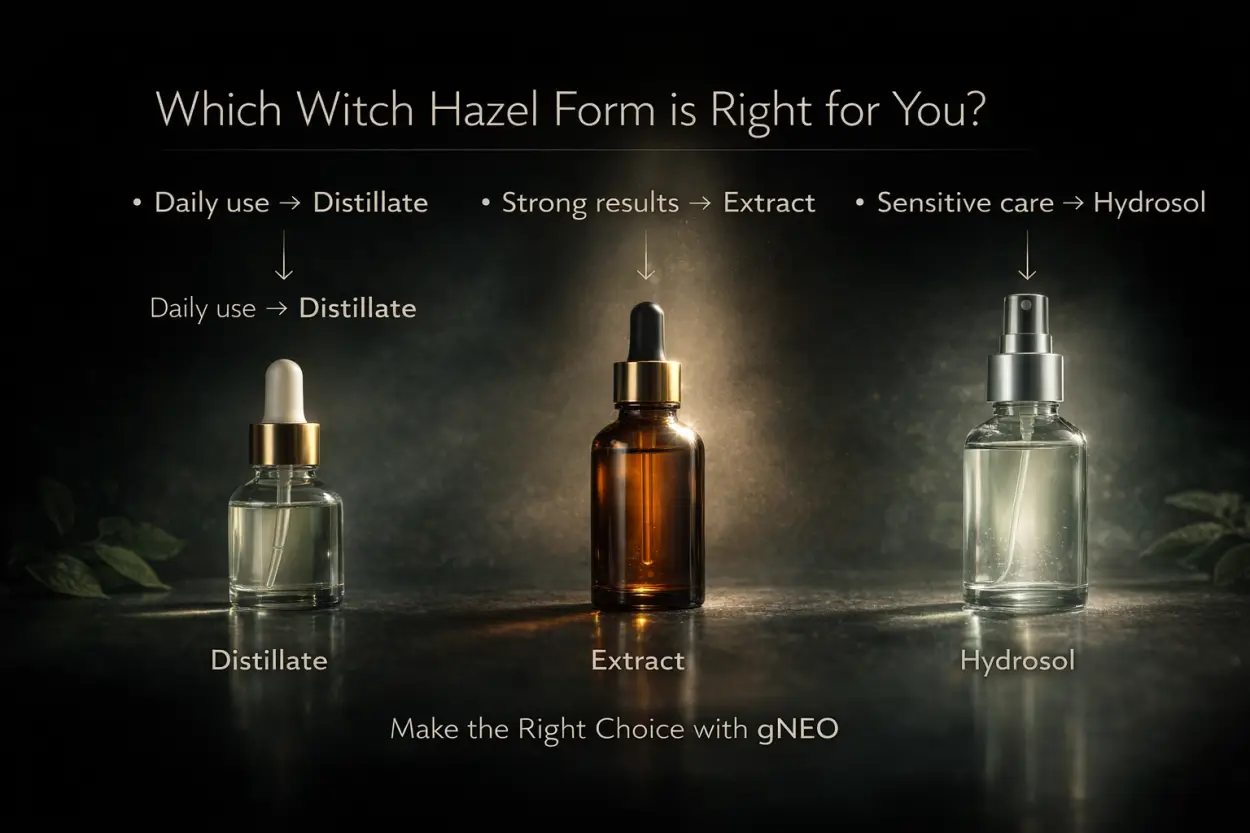


Witch Hazel Distillate vs Extract vs Hydrosol: Which Form is Right for You?
🌿 Choosing the Right Form: Witch Hazel Distillate, Extract, or Hydrosol? When people search for witch hazel, they often assume it’s just one simple ingredient. [...]


Witch Hazel for Face: Your Everyday Secret to Clear, Balanced Skin
🌿 Witch Hazel for Face: Your Everyday Secret to Clear, Balanced Skin There’s a reason witch hazel for face keeps showing up in skincare conversations—it’s [...]


How to Use Witch Hazel: A Practical Guide for Everyday Applications
🌿 How to Use Witch Hazel: A Practical Guide for Everyday Applications Witch hazel is one of the most versatile ingredients in organic skincare. But [...]


The Top 10 Organic Witch Hazel Benefits for Radiant Skin
🌿The Top 10 Benefits of Organic Witch Hazel for Radiant Skin Organic skincare is no longer a trend—it’s a standard. One ingredient leading this shift [...]


What is Organic Witch Hazel? A Complete Guide to Benefits, Uses, and Skincare Routine
If you’re exploring organic skincare, chances are you’ve come across organic witch hazel. It’s one of the most searched natural ingredients today—and for good reason. [...]



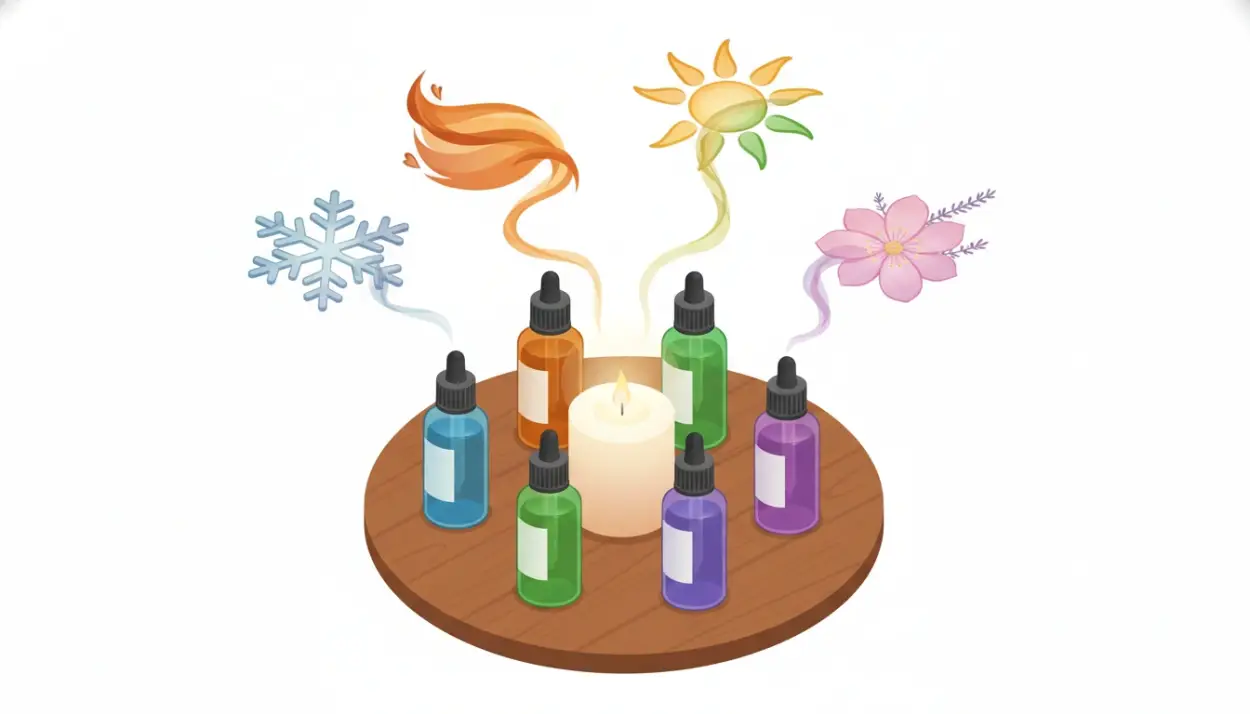


Essential Oil Blending for Candles: Recipes for Every Season & Mood
If you want more than a basic one-note candle, learning essential oil candle scent combinations is the key. Blending essential oils allows you to create: [...]





Best Wax for Essential Oil Candles? Soy vs. Beeswax vs. Coconut
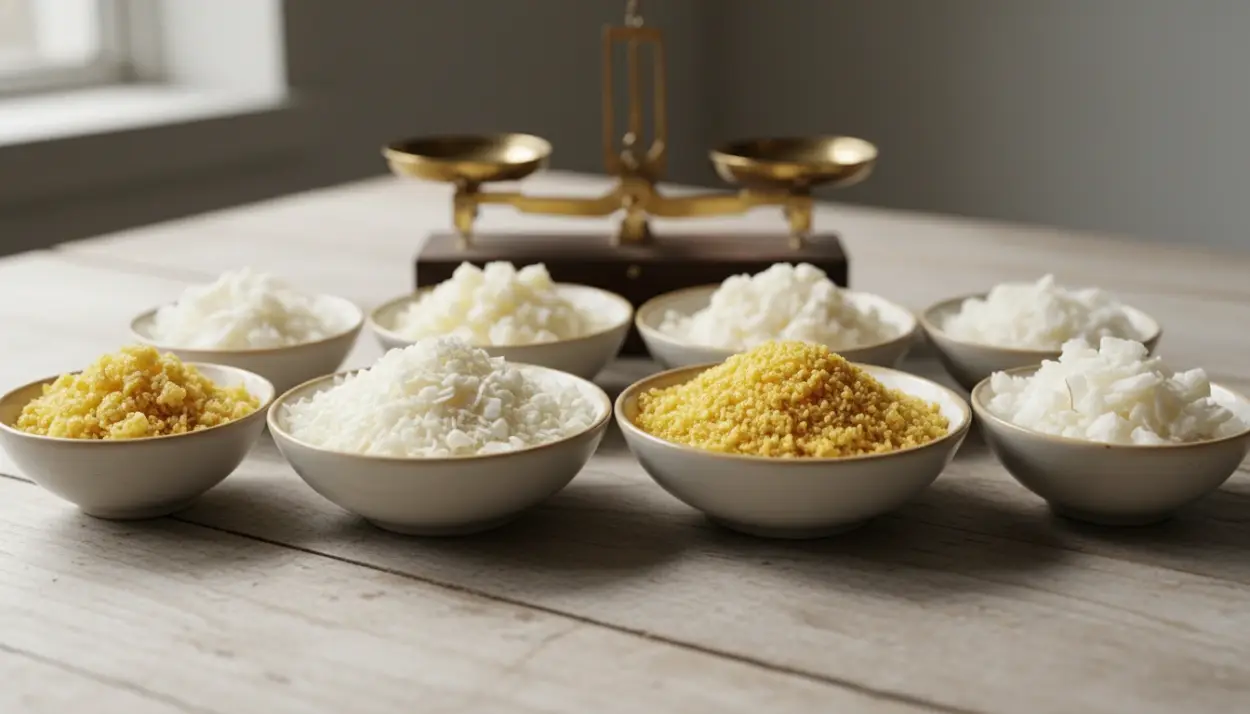
Choosing the best wax for essential oil candles can make or break your scent throw, burn quality, and overall finish. Essential oils behave differently than [...]


How to Make Essential Oil Candles: A Step-by-Step Tutorial
If you’ve been wondering how to make essential oil candles that actually smell strong and burn properly — this complete guide walks you through every [...]


Safe Essential Oils For Candles
Using safe essential oils for candles is critical if you want to enjoy natural fragrance without unnecessary risk. While essential oil candles can be safe, [...]





Best Essential Oils for Candle Making
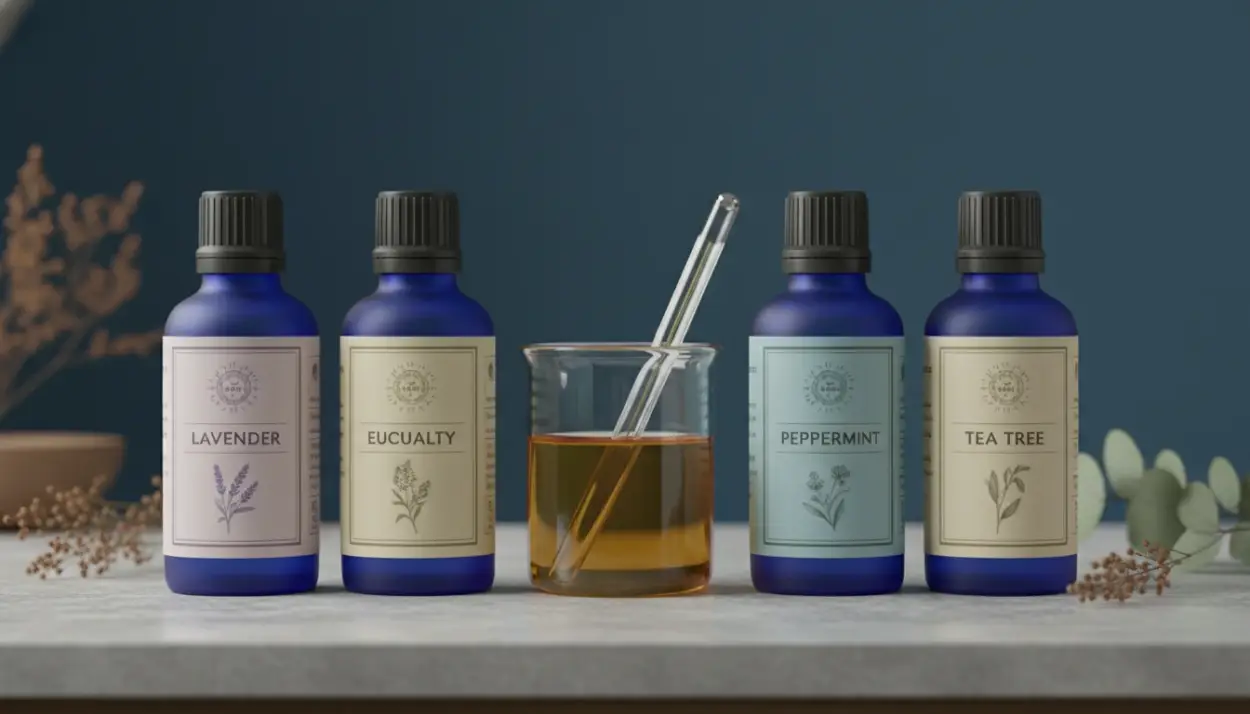
If you're searching for the best essential oils for candle making, you're likely looking for one thing: strong, beautiful scent throw that actually performs in [...]





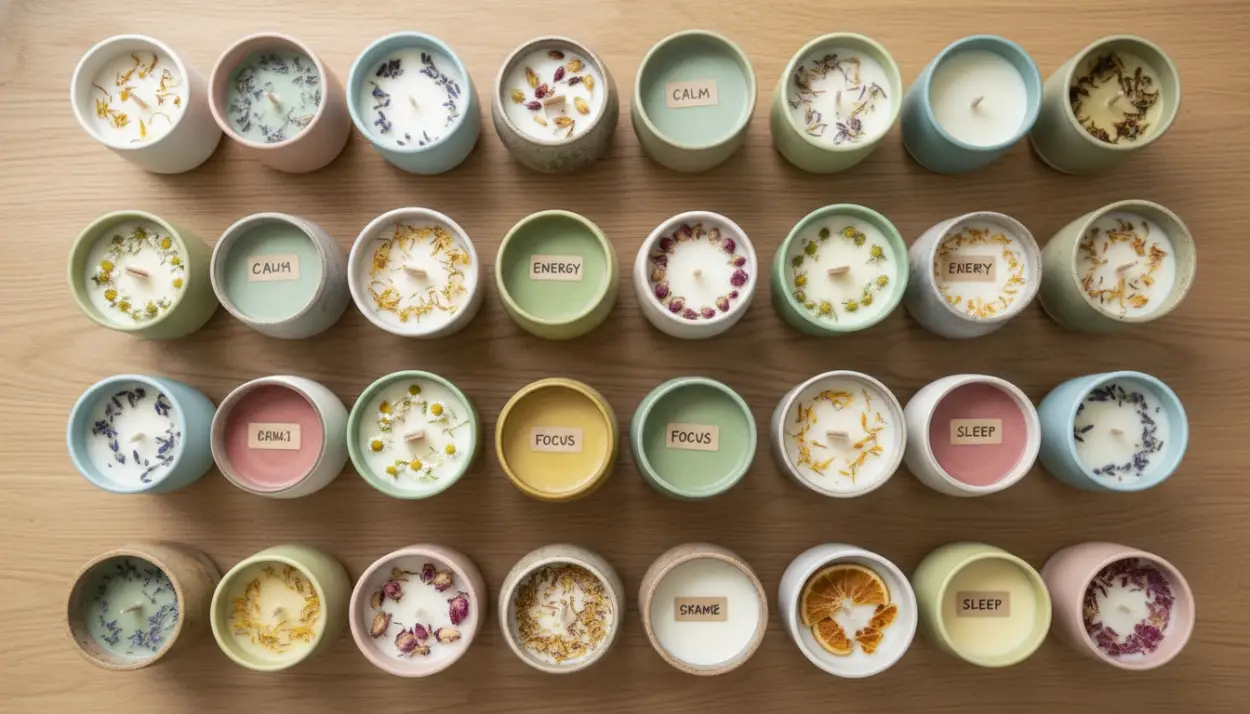

Essential Oils for Candles: Safe Scenting Tips for DIY Natural Candles
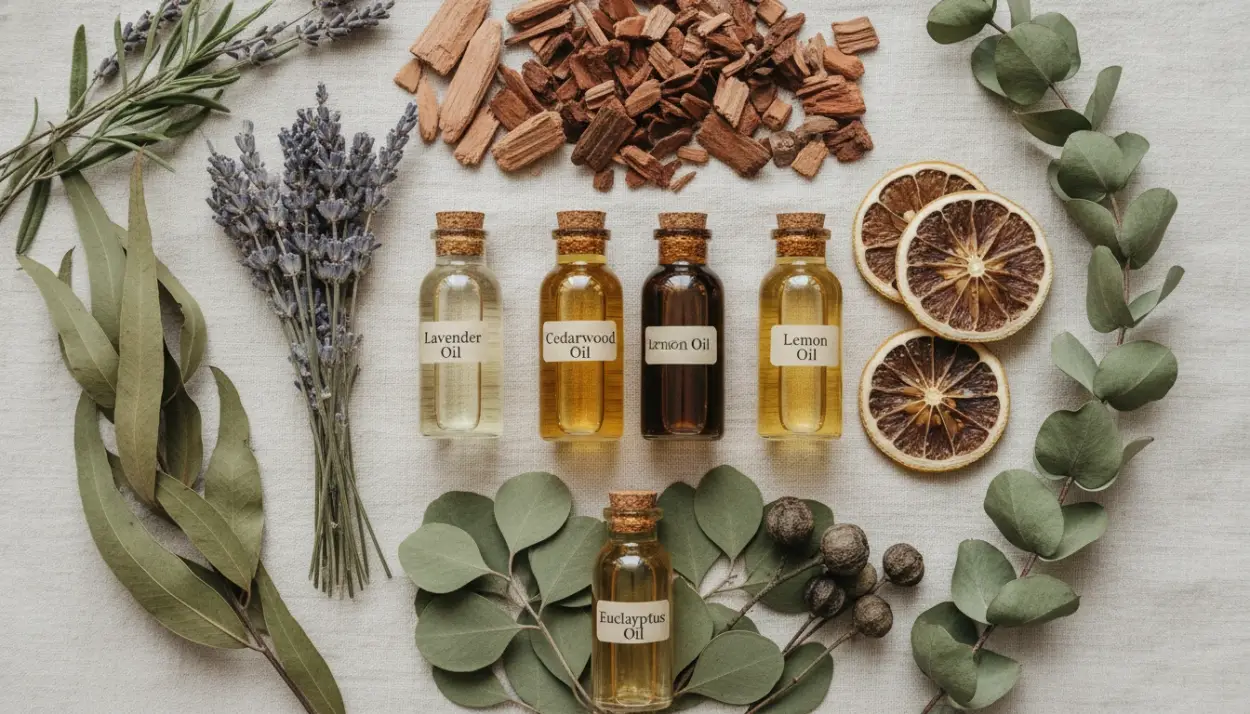
If you love clean, plant-based scents, you’ve probably wondered: can you put essential oils in candles? The answer is yes — but doing it correctly [...]


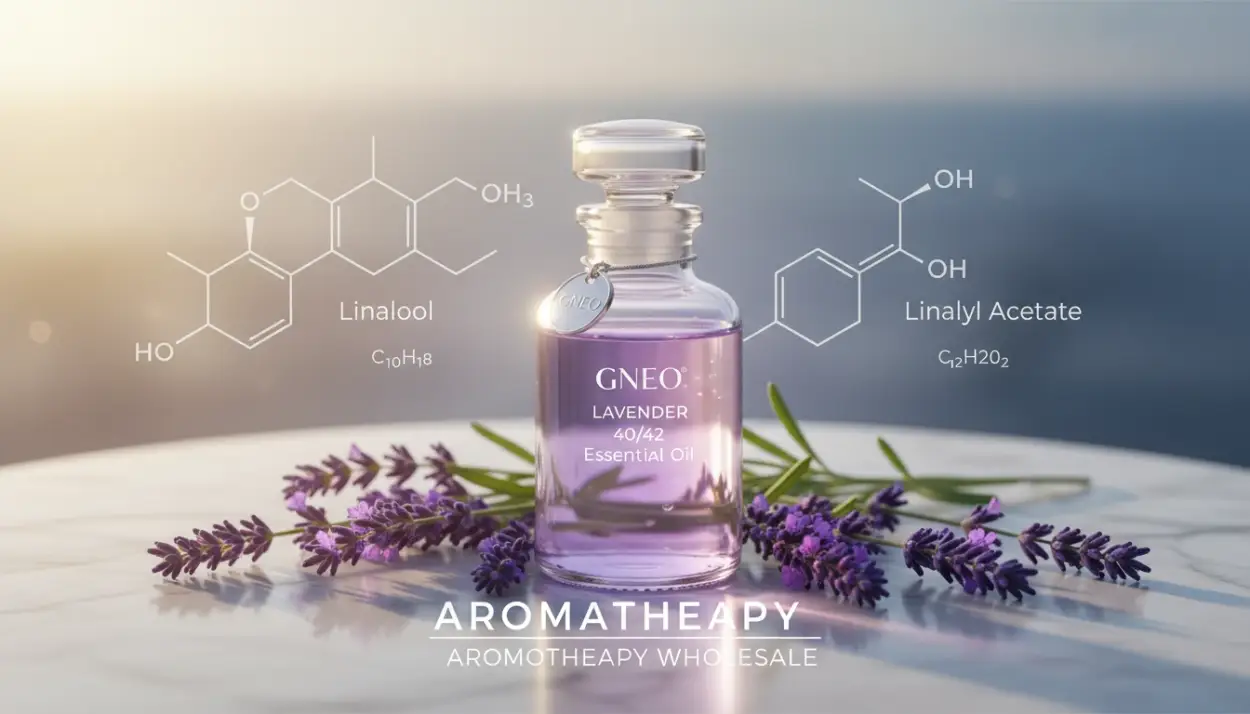

Where to Buy Lavender 40/42: Your One-Stop Buying Guide
Wholesale, USA Suppliers & Pricing—All in One Place Introduction: One Store. Every Essential Oil. Lavender 40/42 is a cornerstone ingredient in soap making, candles, lotions, [...]


Application of Lavender 40/42 Essential Oil Uses
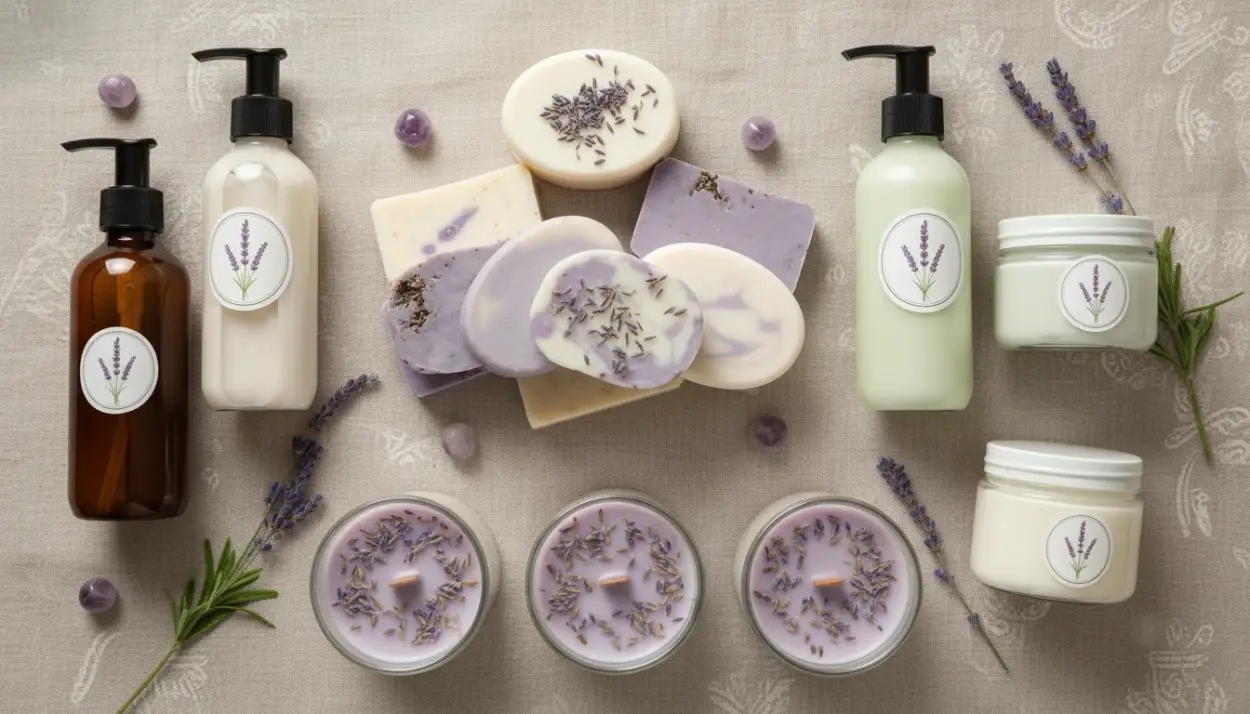
A Complete B2B & DTC Guide for Soap, Candle, Lotion & Home Care Brands Introduction: Why Lavender 40/42 Is a Formulator Favorite Lavender is one [...]





Lavender 40-42: USA vs France Standards
Introduction: Why Lavender Standards Matter in B2B Sourcing In wholesale fragrance and essential oil markets, lavender is not just lavender. Buyers often encounter terms like [...]


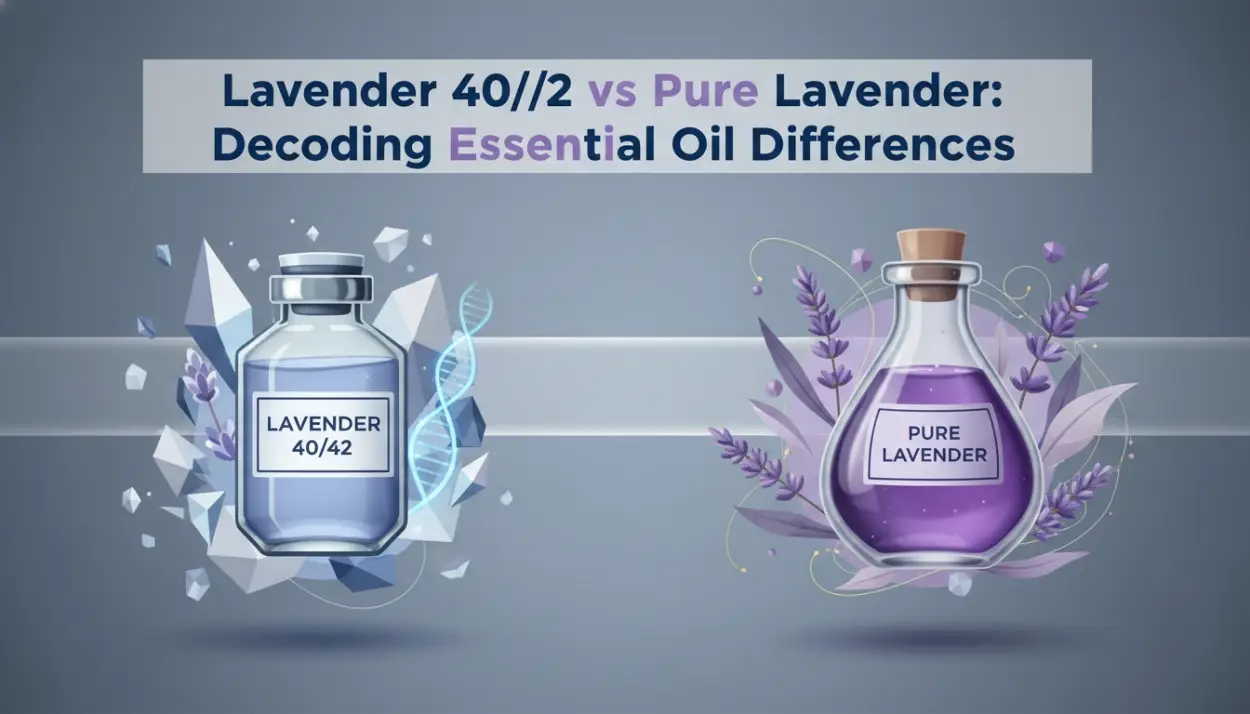
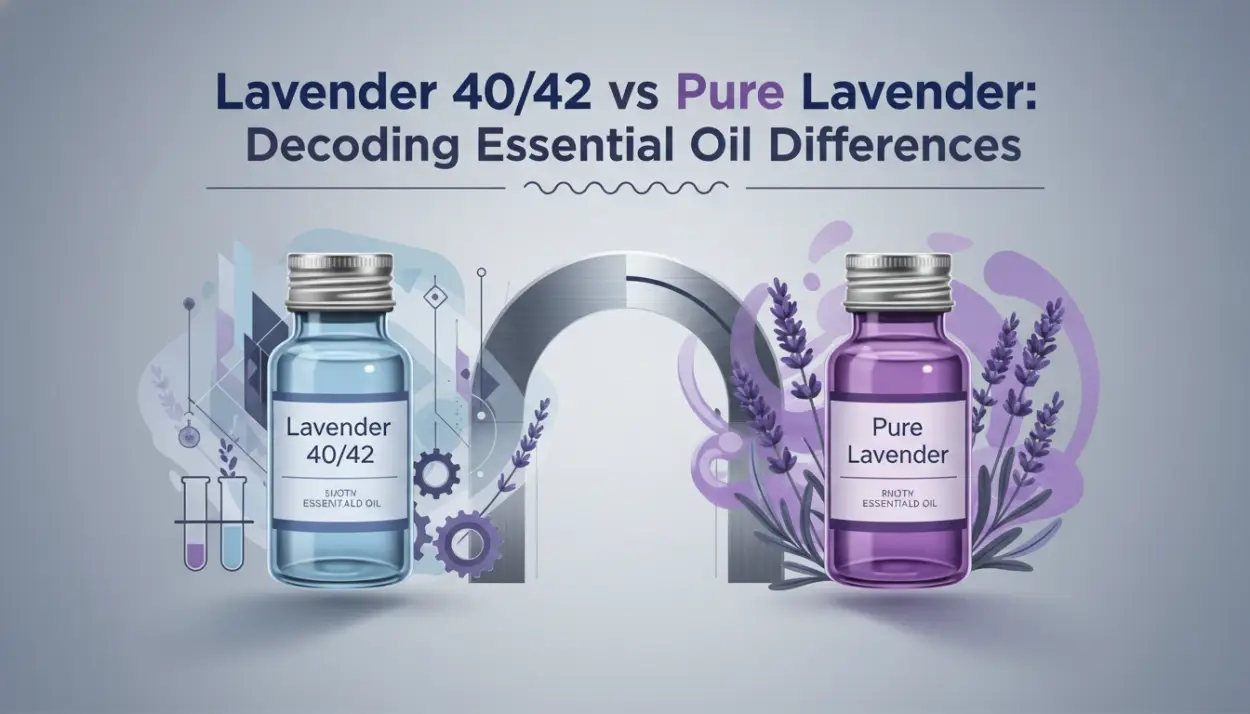
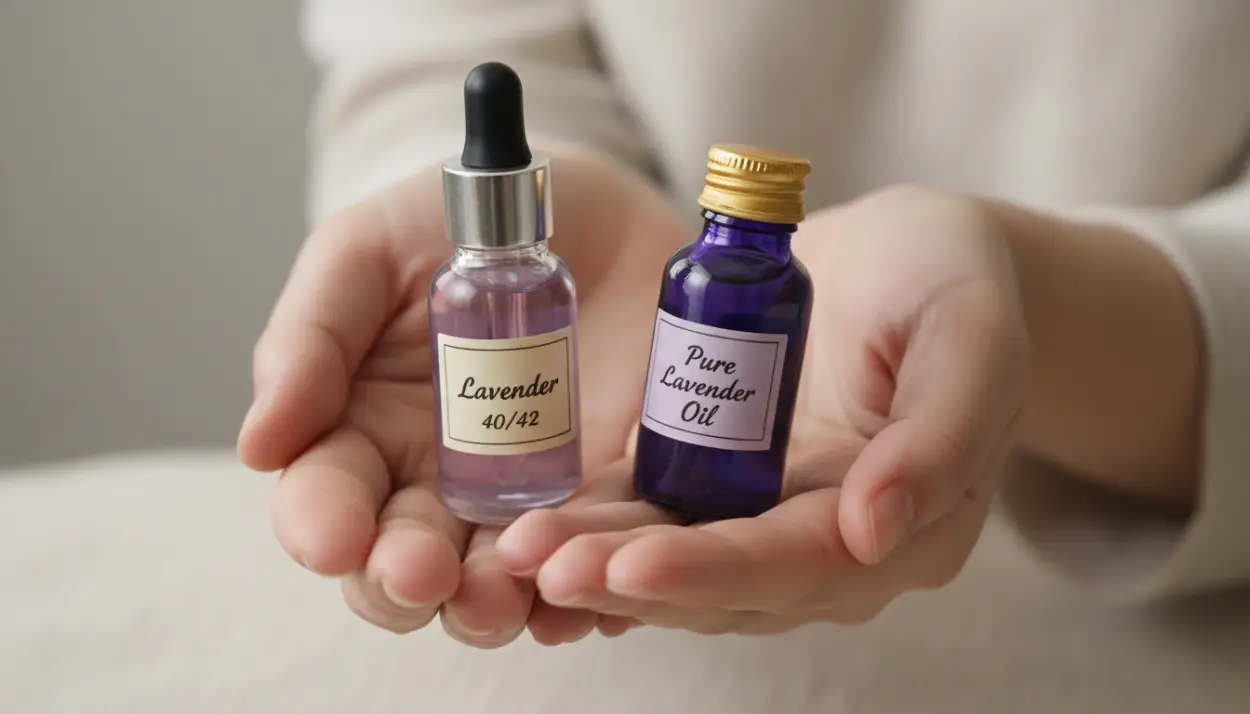
Lavender 40/42 vs Pure Lavender
Lavender is one of the most trusted and widely used essential oils in the world. From calming bedtime rituals to luxury soaps and perfumes, lavender [...]


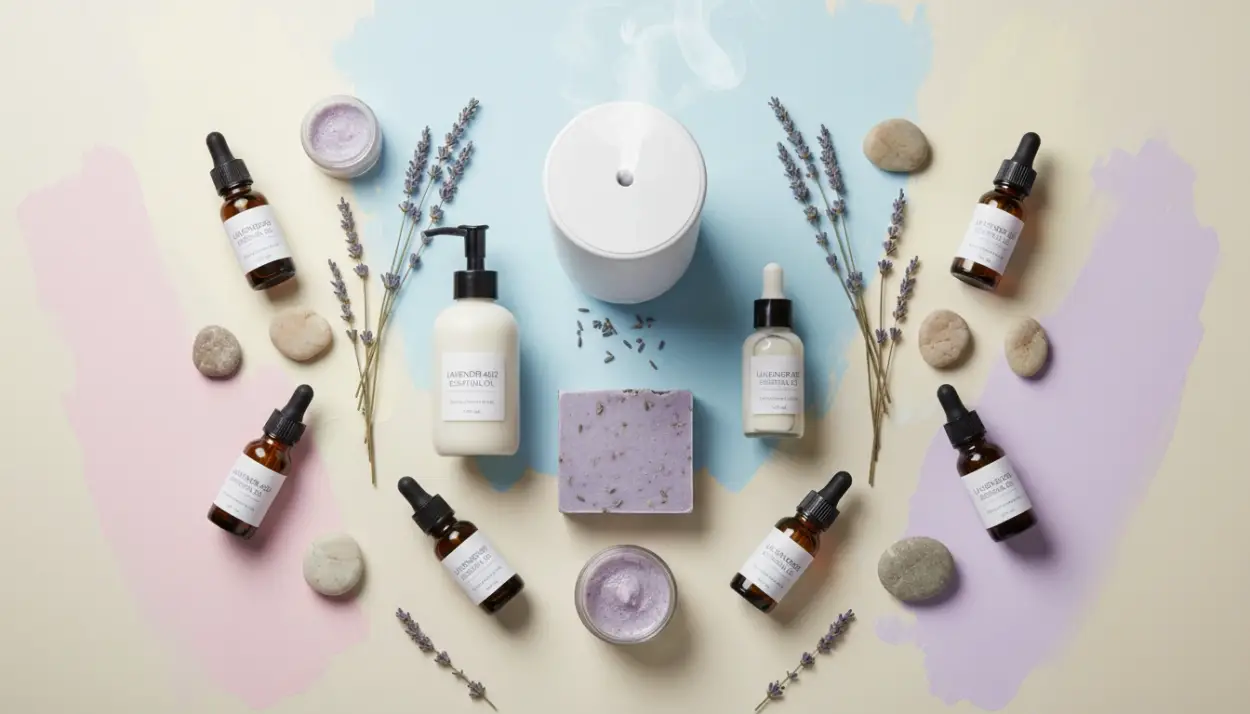

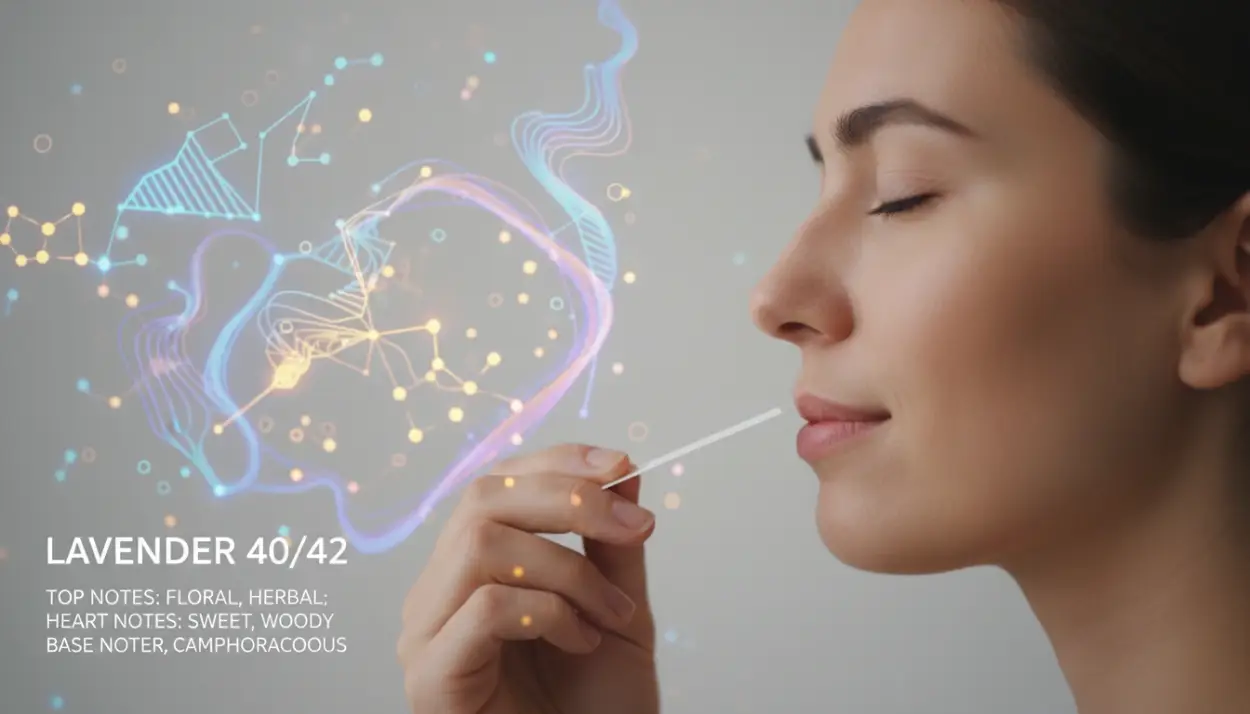
What Is Lavender 40/42 Essential Oil?
A Complete Guide to Its Standardized Scent, Creation, and Uses Introduction: Lavender — But Not As You’ve Always Known It Lavender is one of the [...]


Best Essential Oils for Healing
Natural Relief for Pain, Sleep, Focus, Skin & Whole-Body Wellness Essential oils have been trusted for centuries as powerful plant-based remedies — and today, science [...]


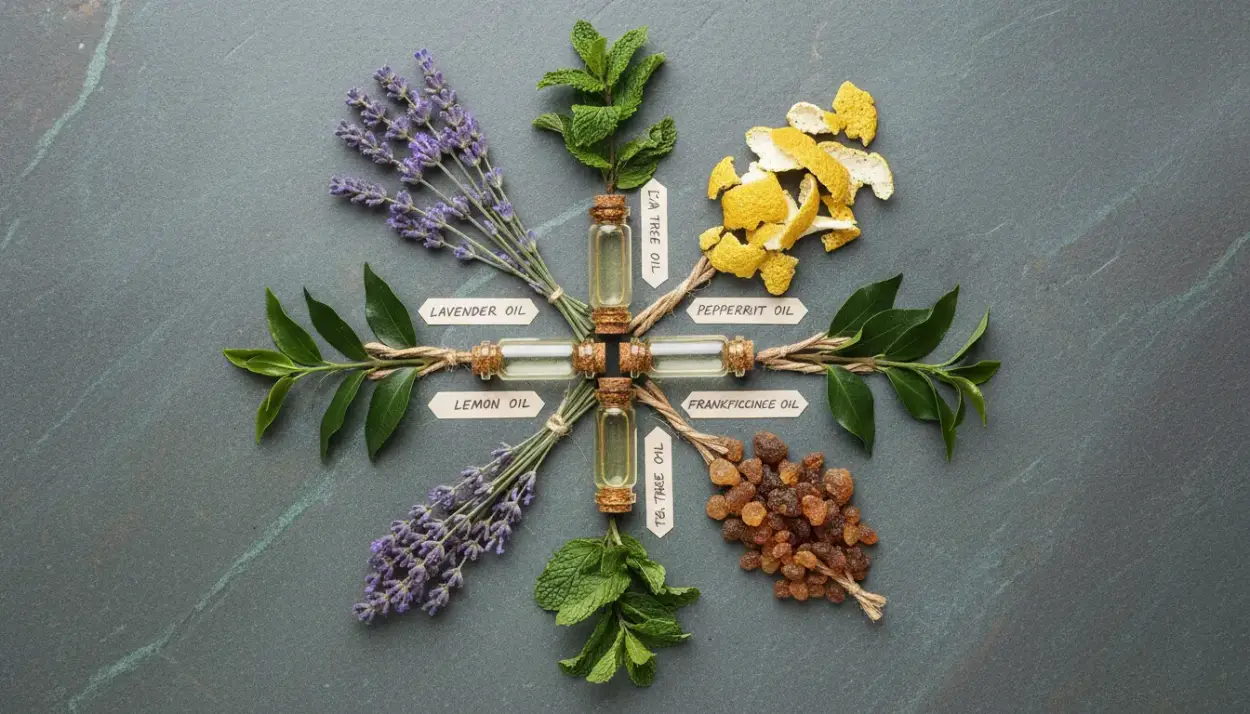


USA’s Most Popular Essential Oils (2026 Guide)
Top Essential Oils Americans Love for Sleep, Anxiety, Energy & Clean Living Introduction: Why Essential Oils Are Everywhere in the USA Essential oils are no [...]




Aromatherapy Fragrance Trends 2026
How Wellness-Driven Scents Are Shaping the Future of Perfume Introduction: Fragrance That Makes You Feel Good Fragrance Trends 2026 are moving beyond smelling good — [...]
Essential oils are highly concentrated plant extracts that capture the true essence – the aroma, flavor, and beneficial compounds – of a plant. They’re produced by steam distilling or cold-pressing specific parts of a plant, whether that’s the flowers, leaves, bark, seeds, or roots. It takes an enormous amount of raw plant material to produce even a small bottle of essential oil, which is why they’re so potent and why quality matters so much. A single kilogram of rose essential oil, for example, can require several tons of rose petals. If you’re looking for premium quality, explore our full range of all essential oils available online.
Yes, most pure essential oils are safe for daily use – but how you use them makes all the difference. The golden rule is dilution: never apply an undiluted essential oil directly to your skin. For daily topical use, a 1-2% dilution in a carrier oil is generally recommended for adults. For aromatherapy diffusion, limit sessions to 30-60 minutes at a time with ventilation breaks. If you have asthma, are pregnant, or have young children, always check safety guidelines for each specific oil before making it part of your routine.
Pure essential oils are 100% derived from plants – nothing added, nothing synthetic. Fragrance oils, on the other hand, are lab-created scent blends that may contain artificial chemicals, fixatives, or carrier solvents. While fragrance oils smell wonderful and are more affordable, they do not carry the same therapeutic properties as genuine essential oils. If you’re buying for aromatherapy or natural skincare, always choose pure, unadulterated essential oils over synthetic fragrance alternatives.
Look for the full botanical (Latin) name on the label – for example, Lavandula angustifolia for true lavender. Reputable suppliers provide a Gas Chromatography/Mass Spectrometry (GC/MS) test report or Certificate of Analysis (COA), which confirms the oil’s chemical composition and purity. Avoid oils priced suspiciously low, as pure plant extracts require significant raw material. When buying online, stick to trusted sources like our organic essential oils collection or our conventional essential oils range, both of which are tested for purity and quality.
A carrier oil is a plant-based oil – like jojoba, sweet almond, coconut, or rosehip – derived from the seeds, kernels, or nuts of a plant. Because essential oils are extremely concentrated, applying them directly to skin can cause irritation, sensitization, or even chemical burns in some cases. A carrier oil dilutes the essential oil to a safe concentration while also helping spread it over a larger skin area. Explore our wide range of carrier oils including both organic carrier oils and conventional options perfect for skincare, massage, and aromatherapy blends.
The most versatile diffuser choices include lavender (relaxation and sleep), peppermint (focus and energy), eucalyptus (respiratory clarity), lemon (clean, uplifting atmosphere), and frankincense (grounding and meditation). For blending, try pairing citrus oils with woody base notes for a balanced aroma. Browse our complete essential oils collection to find your perfect diffuser blend, or check out our specially curated essential oil blends ready for immediate use.
Many people find essential oils genuinely helpful as part of a calming bedtime or stress-relief routine. Lavender essential oil is the most well-researched in this area, with several clinical studies noting its calming effect on the nervous system. Other helpful oils include chamomile, bergamot, cedarwood, and vetiver. You can diffuse them before bed, apply diluted to pulse points, or add a few drops to your pillow. Explore our full range of essential oils for sleep and relaxation, or discover our ready-to-use aromatherapy blends designed for calming and stress relief.
Essential oils can be used around children, but with extra care and significantly lower dilution rates. Eucalyptus and peppermint should be avoided for children under 10, as they can affect breathing. For toddlers, a dilution of 0.5% or less is recommended. Gentle oils like lavender, chamomile, and mandarin are generally considered safer for children when properly diluted in a carrier oil. Always consult your pediatrician before using essential oils on young children. Browse our organic essential oils which are free from synthetic additives and safer for sensitive use.
Several essential oils should always be diluted – and some avoided on skin altogether. Oregano, clove, cinnamon bark, thyme, and lemongrass are “hot oils” highly irritating even in small amounts. Photosensitive oils like bergamot, lime, and grapefruit can cause skin burns when exposed to sunlight. Always dilute any essential oil in a carrier oil before topical application. Our conventional essential oils come with safety usage guidelines to help you use them correctly.
Most pure essential oils have a shelf life of 1 to 3 years when stored properly, though some last considerably longer. Citrus oils like lemon, orange, and grapefruit are the most volatile and last 1-2 years. Heavier resinous oils like sandalwood, patchouli, and vetiver can actually improve with age and last 4-8 years. To maximize shelf life, store all essential oils in dark glass bottles, away from direct sunlight and heat. Our organic essential oils are packaged in premium dark glass bottles to ensure freshness and longevity.
Organic essential oils come from plants grown without synthetic pesticides or chemical fertilizers, certified by bodies like USDA Organic or EU Organic. However, organic certification speaks to farming methods, not necessarily to purity or therapeutic quality. Non-organic oils can still be 100% pure and of excellent quality when sourced from reputable suppliers. If you prefer certified organic, browse our organic essential oils range. If you’re looking for excellent quality at better value, our conventional essential oils are rigorously tested for purity and therapeutic potency.
Absolutely – essential oils have been used in hair and scalp care for centuries. Rosemary essential oil is the most popular for hair growth, with recent studies comparing its effectiveness to minoxidil for hair loss. Peppermint stimulates the scalp, while tea tree oil is excellent for dandruff and oily scalp conditions. Always mix essential oils with a nourishing carrier oil such as jojoba or coconut before applying to the scalp. Explore our full range of essential oils ideal for DIY hair care treatments.
This is an important area of caution. Cats are particularly sensitive because they lack certain liver enzymes needed to metabolize many aromatic compounds – oils like tea tree, eucalyptus, clove, and citrus can be toxic to cats even through skin absorption. Dogs are less sensitive but still at risk from certain oils like pennyroyal, cinnamon, and garlic. When diffusing around pets, always ensure the room is well-ventilated and your pet can leave the area. Never apply essential oils directly to pets without veterinary guidance. For pet-safe aromatherapy options, consult a vet and browse our full essential oils catalogue for individual safety information.
For general skin health, standout essential oils include frankincense (anti-aging and cell regeneration), tea tree (antibacterial and great for acne-prone skin), lavender (soothing and healing), geranium (balancing for oily and combination skin), and rose (hydrating and rejuvenating for mature skin). Remember to always dilute in a carrier oil appropriate for your skin type before applying. Explore our organic essential oils range for the purest, chemical-free options perfect for skincare routines.
For muscle pain and tension, peppermint, eucalyptus, and lavender essential oils are widely used. Dilute 4-6 drops in a tablespoon of carrier oil such as coconut or almond oil and massage directly into sore muscles. For headaches, peppermint oil applied to temples (diluted) is particularly effective due to its menthol content which improves circulation. Marjoram and helichrysum are also excellent for tension headaches. Browse our full range of essential oils suitable for pain relief and muscle recovery.
Here’s the honest truth: “therapeutic grade” is a marketing term, not an official certification. There is no independent regulatory body anywhere in the world that certifies an essential oil as therapeutic grade. Companies use phrases like “100% pure therapeutic grade” as branding language. What actually matters is whether the oil is 100% pure (no dilution or additives), properly identified with botanical names, and backed by third-party GC/MS test results. When you shop our organic essential oils or conventional essential oils, quality and purity are verified through rigorous testing, not just marketing claims.
Internal use of essential oils is a topic of significant debate among aromatherapists and health professionals. In most countries, oral ingestion is only recommended under the supervision of a licensed healthcare provider. Many essential oils are highly concentrated and can irritate the mucous membranes, damage the liver, or interact with medications if taken internally without proper guidance. The safest and most common ways to use essential oils are topical application (diluted in a carrier oil) or aromatherapy diffusion. Always consult a qualified professional before any internal use.
Start by identifying your goal – relaxation, energy, skin care, respiratory support, or home fragrance. From there, research 2-3 oils commonly associated with that goal and review safety notes for your specific situation (pregnancy, children, pets, skin sensitivity). Always choose 100% pure oils with clear botanical labeling. Our complete essential oils range is organized by type to help you find exactly what you need. If you’re unsure where to start, our pre-made essential oil blends are crafted for specific purposes and make a great starting point for beginners.
Steam distillation is the most common and trusted method of extracting essential oils. In this process, steam is passed through plant material, which causes the aromatic compounds to vaporize. The steam and oil vapors are then condensed back into liquid, where the essential oil separates from the water. This method matters for quality because distillation temperature and duration directly affect the chemical profile of the final oil. Low-temperature, slow distillation preserves more delicate aromatic compounds. Our organic essential oils and conventional essential oils are extracted using carefully controlled distillation processes to ensure full aromatic and therapeutic integrity.
For soap makers, cosmetic formulators, aromatherapy practitioners, candle makers, and small businesses, choosing the right bulk supplier is critical. Look for a supplier who clearly lists the botanical name, country of origin, and extraction method for each oil, and provides GC/MS batch reports on request. Our website offers a wide selection of bulk essential oils including both organic-certified varieties and conventional options at wholesale-friendly prices. All oils are 100% pure with no dilution or additives.
Yes – and this is one of the most practical everyday uses of essential oils. Several oils have genuine antibacterial, antifungal, and degreasing properties that make them powerful additions to natural cleaning products. Lemon, tea tree, and eucalyptus are especially effective. A simple all-purpose cleaner can be made by combining water, white vinegar, and 20-30 drops of essential oils in a spray bottle. You can also add essential oils to laundry, dishwashing, and air freshening recipes. Our conventional essential oils like tea tree and lemon are particularly popular for natural home cleaning applications.
Pregnancy calls for extra caution with essential oils, especially during the first trimester – most aromatherapists recommend avoiding all essential oils during the first 12 weeks. After the first trimester, oils generally considered safer include lavender, chamomile (Roman), ginger (for nausea), and ylang ylang in very low dilutions (0.5-1%). Oils to avoid throughout pregnancy include clary sage, rosemary, thyme, cinnamon, and clove. Always dilute any oil in a gentle carrier oil and consult your midwife or doctor before use. Browse our organic essential oils for the purest options available.
Blending essential oils is genuinely fun once you understand the concept of scent notes. Every good blend is built on three layers – base notes (deep, long-lasting scents like sandalwood, vetiver, cedarwood, or patchouli), middle notes (the heart of the blend: lavender, geranium, ylang ylang), and top notes (bright, uplifting: lemon, peppermint, bergamot). A good beginner ratio is 30% top notes, 50% middle notes, and 20% base notes. Always dilute your blend in a carrier oil before use. Browse our full range of essential oils to start building your collection for blending.
If you need to sharpen your mind for work or study, several essential oils are well-regarded for their ability to improve alertness and cognitive clarity. Peppermint is the most popular – its invigorating menthol aroma acts as a natural stimulant and can improve concentration and memory. Rosemary is another powerhouse, with studies suggesting it improves mental performance during tasks. Lemon and orange citrus oils uplift mood and reduce mental fatigue. Frankincense is excellent for deep focus and meditation. Browse our full range of essential oils for focus, or explore our ready-made essential oil blends crafted for energy and concentration.
Proper storage is the single most important factor in preserving your essential oils’ quality and potency. The three main enemies of essential oils are heat, light, and oxygen. Always store oils in dark amber or cobalt glass bottles – never clear glass or plastic. Keep them in a cool, dry place away from direct sunlight and temperature fluctuations. Always ensure the cap is tightly closed after each use to minimize oxidation. Our essential oils are supplied in dark glass bottles for this reason, and our glass bottle range is also available if you need additional storage solutions.