
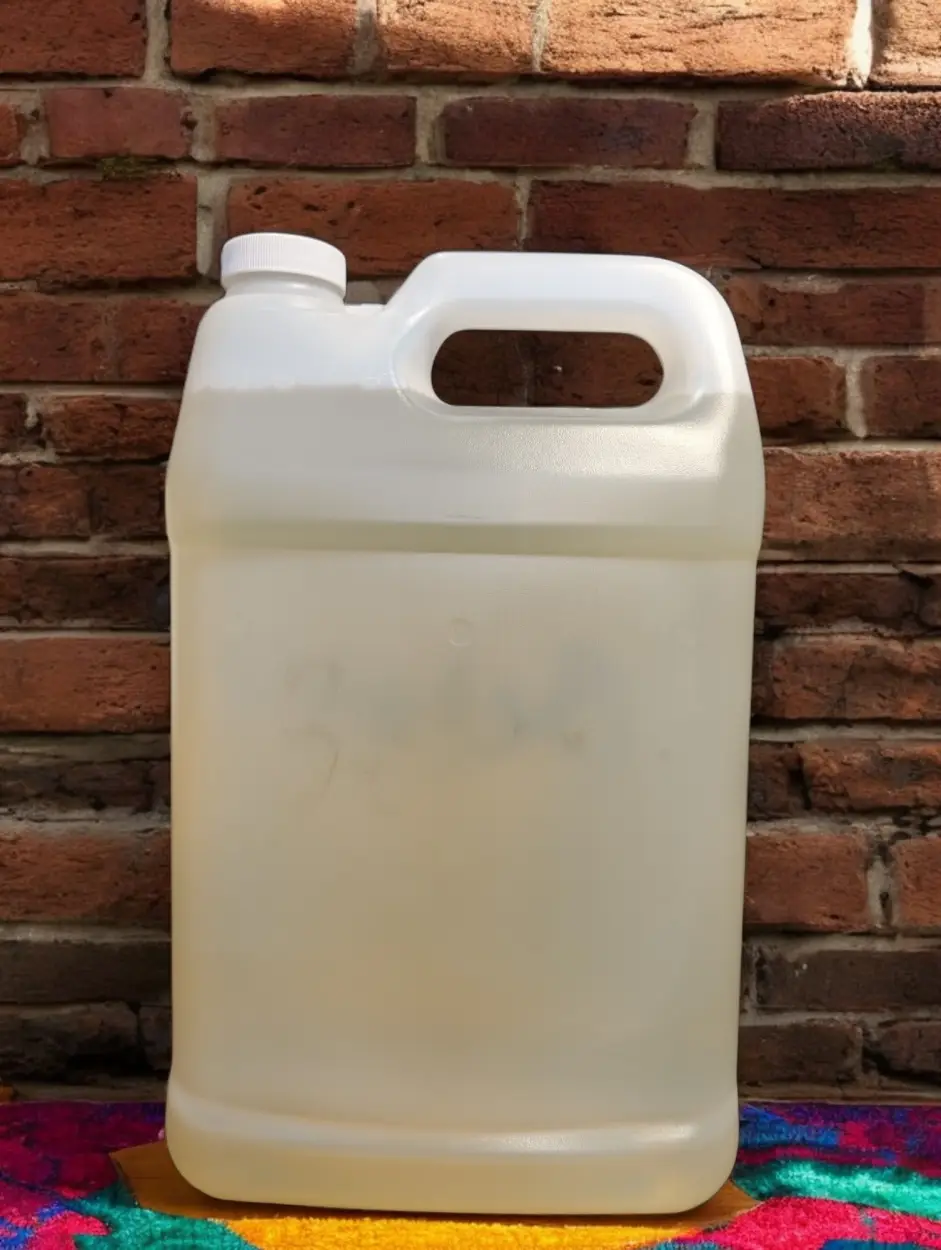
Description: Cocamidopropyl betaine (CAPB) is a surfactant commonly used in personal care and cleaning products, such as shampoos, body washes, and facial cleansers. It is derived from coconut oil and is a type of betaine, a class of amphoteric surfactants, meaning it has both positive and negative charges depending on the pH of the solution.
Cocamidopropyl betaine is a mixture of fatty acid amides (derived from coconut oil) and a propylene glycol derivative. It contains both hydrophilic (water-attracting) and hydrophobic (water-repelling) parts, which helps it act as a cleansing agent.
Botanical Name: Cocos nucifera as it is extracted from Coconut
Plant Part: Coconut oil
Extraction Method: NA
Odor and Appearance:
- Color: The exact color can vary depending on the purity and specific formulation, but it is generally a clear or light yellow to golden liquid.
- Appearance: Moderately viscous liquid
- Odor: Mild, slightly sweet or neutral scent.
Please note that these characteristics can vary slightly depending on the specific manufacturing process and purity level.
Country of origin: United States
Main Constituents: Cocamidopropyl betaine is a mixture of fatty acid amides (derived from coconut oil) and a propylene glycol derivative. It contains both hydrophilic (water-attracting) and hydrophobic (water-repelling) parts, which helps it act as a cleansing agent.
Common Uses:
- Shampoos: It acts as a mild surfactant, helping to create foam and cleanse the hair without stripping moisture.
- Body Washes & Shower Gels: Provides gentle cleansing and adds to the product’s foaming action while maintaining skin hydration.
- Facial Cleansers: Its mildness makes it ideal for sensitive skin, offering gentle cleansing with minimal irritation.
- Toothpastes: Used as a foaming agent to help distribute the paste and assist in cleaning.
- Liquid Soaps: Helps to cleanse the skin without causing dryness or irritation.
- Bubble Baths: Contributes to foam formation and gives a smooth feel to the skin after use.
- Hand Soaps: Provides a gentle lather and cleansing without drying out the skin.
- Conditioners: Often added for its ability to smooth the hair and improve texture, acting as a mild conditioning agent.
Blends well with: Cocamidopropyl betaine blends well with anionic surfactants (like sodium lauryl sulfate), nonionic surfactants (such as polysorbates), fatty alcohols (like cetyl and stearyl alcohol), humectants (such as glycerin and propylene glycol), and silicones (like dimethicone). It also mixes effectively with preservatives (e.g., phenoxyethanol), fragrances, and essential oils, enhancing foaming, conditioning, and moisturizing properties in various formulations.
Contraindications:
Cocamidopropyl betaine may cause skin irritation or allergic reactions in individuals with sensitive skin or coconut allergies. It can also contain impurities, such as amine compounds, which might lead to irritation, especially at high concentrations. Combining it with harsh surfactants or using it in high concentrations can cause dryness or irritation.
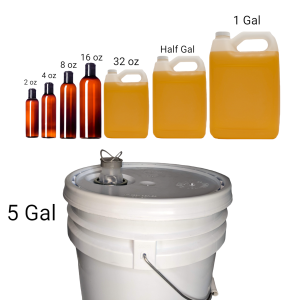
For large quantities please contact us via our phone number or through the Contact Us page.
Like us on Facebook.



Reviews
There are no reviews yet