
Description: Tetrasodium Glutamate Diacetate (GLDA) is a biodegradable, plant-based chelating agent that enhances the effectiveness of preservatives by binding metal ions (like Calcium and Magnesium) that can destabilize cosmetic formulations. Often referred to by its chemical name Tetrasodium N,N-Bis(carboxymethyl)-L-glutamate, it’s a safer, eco-friendly alternative to EDTA and HEDP.
Botanical Name: Synthetic origin (bio-based) – derived from L-glutamic acid, an amino acid produced via fermentation of plant sugars (e.g., corn, sugarcane).
Plant Part: NA
Extraction Method : Fermentation of plant sugars to produce L-glutamic acid, followed by chemical synthesis to form the tetrasodium salt.
Odor and Appearance: Odorless and colorless liquid
Please note that these characteristics may vary slightly depending on the specific manufacturing process and purity level.
Country of origin : United States
Main Constituents:
-
Tetrasodium salt of glutamic acid diacetate
-
High sodium and glutamate content. Gluten free
Common Uses:
-
Cosmetics & Personal Care: Creams, lotions, cleansers, shampoos and tetrasodium glutamate diacetate in soap making
-
Preservative booster: Improves performance of natural or broad-spectrum preservatives. Excellent for tetrasodium glutamate diacetate in skin care to prevent hard water scum.
-
Stabilizer: Prevents discoloration, rancidity, or degradation of actives
Blends well with:
-
Preservatives: Optiphen, Geogard, phenoxyethanol
-
Surfactants: Coco Glucoside, Decyl Glucoside
-
Water-based ingredients in emulsions, gels, and serums
Suitable for tetrasodium glutamate diacetate for hair products to improve rinse-off in hard water.
Contraindications: Not for anhydrous (oil-only) products – requires water to function. External use only. May cause mild irritation in very sensitive skin (rare), but generally tetrasodium glutamate diacetate is safe for skin.
Is Tetrasodium Glutamate Diacetate Safe?
Yes. Unlike older chelators, GLDA is free from genetically modified organisms and is considered non-toxic. Questions like “is tetrasodium glutamate diacetate toxic” or “tetrasodium glutamate diacetate cancer” risks are common, but this ingredient has a favorable safety profile (low EWG hazard score) and is not known to be carcinogenic.
Tetrasodium Glutamate Diacetate vs EDTA:
While both are chelators, GLDA is the modern, green evolution. It offers high solubility over a wide pH range and is readily biodegradable, unlike EDTA which persists in the environment.
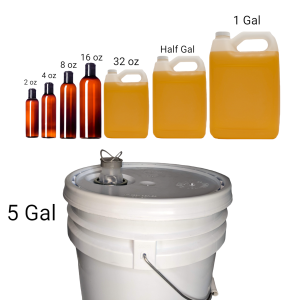
For large quantities please contact us via our phone number or through the Contact Us page.
Like us on Facebook.






Reviews
There are no reviews yet