
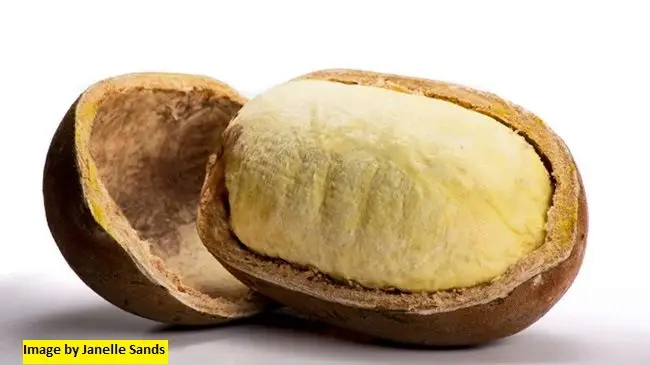
Description: Cupuacu butter (Virgin) possesses intense moisturizing properties that increased its popularity throughout the cosmetic industry. Often called the “vegetable lanolin,” it makes it a highly sought-after ingredient in haircare formulations and skincare products. Raw Cupuacu butter is usually in shampoo and conditioner brands, lip balms, topical body butters and various skin applications. Cupuacu butter has an Off-white to yellowish appearance with a distinct, earthy aroma (often described as having hints of chocolate and pineapple).
Botanical Name: Theobroma grandiflorum seed butter
Plant Part: Seeds of the cupuaçu fruit
Odor and Appearance: Off-white to yellowish hue with a characteristic sweet, earthy scent
(Note: This is an unrefined product; the cupuacu smell is natural and potent.)
County of Origin: Brazil
Melting Point:32°C and 36°C (Melts rapidly on skin contact)
Common Uses: Here are some key characteristics and uses of Cupuacu Butter:
- Cosmetics and Personal Care: Moisturizers, Its hydrophilic properties (high water-absorption capacity of up to 440%) makes it an excellent emollient for creams, lotions, and body butters. Hair Care, Cupuaçu butter can be used in shampoos and conditioners to hydrate and nourish hair, reducing frizz and improving manageability. Skin Care, It helps to improve skin elasticity, reduce the appearance of wrinkles, and soothe dry, irritated skin. In the debate of cupuacu butter vs shea butter, Cupuacu is often preferred for being lighter and absorbing faster. Lip Balms, The butter’s hydrating properties make it a popular ingredient in lip balms.
- Food Industry: Chocolate Substitutes, Due to its similar texture and taste to cocoa butter, cupuaçu butter can be used as a substitute in chocolate products. Flavoring, It adds a unique flavor to various food items, such as ice cream, cakes, and pastries.
- Pharmaceuticals: Wound Healing, Cupuaçu butter’s anti-inflammatory properties (rich in polyphenols) can help promote wound healing. Skin Conditions, It can be used in topical formulations to treat skin conditions like eczema and psoriasis.
- Industrial Uses: Lubricants, Its emollient properties make it suitable for use as a lubricant in certain industrial applications.
Contradictions:
While Cupuaçu butter is generally considered safe and beneficial for skin and hair, there are a few potential considerations:
- Allergic Reactions: As with any natural product, some individuals may experience allergic reactions to Cupuaçu butter. This is especially true for those with known allergies to other plant-based oils or butters. Regarding theobroma grandiflorum seed butter nut allergy, it is related to the cacao plant (Theobroma family) and not a tree nut, but patch testing is recommended for sensitive users.
- Comedogenicity: Is cupuacu butter comedogenic? While Cupuaçu butter is generally considered a non-comedogenic (with a comedogenic rating of approx. 2, meaning it doesn’t clog pores), some people with sensitive or acne-prone skin may find it to be slightly comedogenic compared to lighter oils..
It’s important to note that these are potential contradictions, and individual experiences may vary
For large quantities please contact us via our phone number or through the Contact Us page.



Best customer service EVER!!!