
Description: Lauryl Lactate (Dodecyl Ester of Lactic Acid) is an ester derived from lactic acid and dodecyl alcohol (C12), typically sourced from coconut oil or palm kernel oil. Sometimes referred to in formulations as lauryl lactyl lactate (a related extended chain ester) or simply lauryl ester, it is used in personal care products for its emollient properties, offering a smooth and silky texture to formulations. Unlike the volatile lauryl acetate, Lauryl Lactate is also valued for its mild moisturizing effects, making it suitable for sensitive skin and commonly found in products like lotions, creams, and shampoos. It helps enhance the skin’s softness without being greasy, functioning effectively as a penetration enhancer often compared to myristyl lactate for its elegant feel.
Note for Formulators: While researching which essential oils are really pure for your blends, consider Lauryl Lactate as a vital anchor to improve the solubility and skin-feel of those oils.
Botanical Name: The botanical name for the main plant sources of Lauryl Lactate (sometimes stylized as lauril natural in INCI lists or searched as laurly due to typos)are:
- Coconut : Cocos nucifera (for lauryl alcohol)
- Palm kernel : Elaeis guineensis (for lauryl alcohol)
- Corn : Zea mays (for lactic acid, if sourced from corn starch)
Plant Part: Coconut, corn & Palm Kernel
Extraction Method : Synthetic esterification process
Odor and Appearance:
- Color: Colorless to pale yellow
- Appearance: Slightly viscous liquid (do not confuse with the solid sugar lactulose)
- Odor: Mild, slightly sweet odor
Please note that these characteristics may vary slightly depending on the specific manufacturing process and purity level.
Country of origin : United States
Main Constituents: The main constituents of Lauryl Lactate are lauryl alcohol (derived from coconut or palm kernel oil) and lactic acid (typically sourced from corn or other plant sugars), which react together to form the ester. Distinct from sodium lauryl lactate (which is a salt used more for surfactant properties), this ester focuses on emolliency. It effectively acts as a lactic acid coconut oil derived conditioner in many natural formulations.
Common Uses:
- Lotions and Creams : Adds smoothness and helps to soften and hydrate the skin (often comparable to the trade ingredient laurinil).
- Shampoos and Conditioners : Provides mild conditioning and improves hair texture.
- Body Washes and Shower Gels : Contributes to a silky feel and enhances the moisturizing effect.
- Facial Care Products : Used in formulations for sensitive skin due to its gentle, non-irritating nature.
- Lip Care : Often included in lip balms for added softness and hydration.
Blends well with: Lauryl Lactate blends well with emollients, surfactants, humectants, preservatives, and fragrances, enhancing texture, moisturizing, and stability in personal care formulations.
Ingredient Insight FAQ: What is menthyl lactate? Unlike the softening Lauryl Lactate, menthyl lactate is a cooling agent derived from menthol and lactic acid, used to provide a refreshing sensation rather than emolliency.
Contraindications: Lauryl Lactate is generally considered safe and mild, but it may cause irritation in individuals with sensitive skin or allergies to coconut or palm-derived ingredients. Because it is an alpha hydroxy acid (AHA) derivative, it may increase skin sensitivity to the sun. It should be used cautiously in formulations with highly sensitive or broken skin, as it may exacerbate irritation. Patch testing is recommended before widespread use.
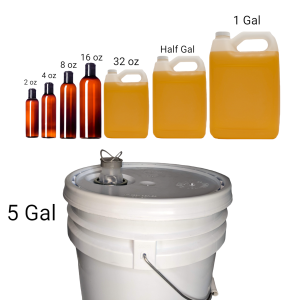
For large quantities please contact us via our phone number or through the Contact Us page.
Like us on Facebook.





Reviews
There are no reviews yet