

Description: Extra virgin olive oil is the highest quality olive oil available. It is made from the first pressing of olives and is not refined or processed. Extra virgin olive oil has a strong, fruity flavor and a pungent aroma.
Extra virgin olive oil is a nutrient-rich source of healthy fats and antioxidants, making it one of the healthiest fats you can include in your diet. Extra virgin olive oil is a rich source of monosaturated fat — primarily in the form of oleic acid. Extra virgin olive oil contains a natural compound called oleocanthal, a powerful antioxidant with significant anti-inflammatory properties that are similar to those found in ibuprofen.
Beneficial properties of Extra virgin Olive oil are:
- High in monounsaturated fats, which can help lower cholesterol levels and reduce the risk of heart disease.
- Rich in antioxidants, which can help protect the body from damage caused by free radicals.
- Has anti-inflammatory properties, which can help reduce inflammation throughout the body.
- May improve cognitive function, protect against Alzheimer’s disease, and reduce the risk of type 2 diabetes.
Extra virgin Olive oil can be used for:
- Cooking: It is a versatile cooking oil that can be used for sautéing, roasting, baking, and salad dressings. It is not recommended for frying, as it has a low smoke point.
- Cosmetics: It can be used in some cosmetic products, such as soaps, lotions, and creams. It is a good moisturizer and can help to improve the appearance of the skin.
- Health and wellness: It has been shown to have a number of health benefits, including reducing the risk of heart disease, stroke, and cancer. It may also improve cognitive function, protect against Alzheimer’s disease, and reduce the risk of type 2 diabetes.
Here are some additional tips for using Extra virgin Olive oil:
- Store in a cool, dark place.
- Used for cooking methods that do not require high heat, such as sautéing or roasting.
- Add it to salad dressings, marinades, and sauces.
- Drizzle extra virgin olive oil over grilled vegetables, fish, or meat.
- Use it to make mayonnaise, hummus, and other dips.
- Use in cosmetics, such as soaps, lotions, and creams
It is important to note that more research is needed to confirm all of the health benefits of extra virgin olive oil. However, the existing evidence suggests that extra virgin olive oil is a healthy and nutritious oil that can be used in a variety of ways to improve your health.
Botanical name: Olea europaea
Plant Part: Fruit (pomace)
Extraction Method: Solvent extraction
Odor and Appearance: It has a mild olive oil odor and a light yellow to golden brown color.
County of origin: Tunisia
Note: Base Note
Main Constituents:
- Oleic acid (monounsaturated fatty acid)
- Linoleic acid (essential polyunsaturated fatty acid)
- Palmitic acid (saturated fatty acid)
- Stearic acid (saturated fatty acid)
- Squalene (natural compound with antioxidant properties)
- Tocopherols (vitamin E)
Common Uses:
- Cooking: sautéing, roasting, baking, salad dressings
- Cosmetics: soaps, lotions, creams
- Health and wellness: reducing the risk of heart disease, stroke, and cancer; improving cognitive function; protecting against Alzheimer’s disease; reducing the risk of type 2 diabetes
*This Statement has not been evaluated by the Food and Drug Administration. This Product is not Intended to diagnose, treat, cure, or prevent any disease.*
Contradictions: Conventional extra virgin olive oil is generally safe but may cause allergic reactions in sensitive individuals. Overconsumption can lead to weight gain due to its high calorie content. People on blood pressure or blood-thinning medications should use it cautiously, as olive oil can have mild blood pressure-lowering and anticoagulant effects. Additionally, its high fat content may not be suitable for those on low-fat diets. Always consult a healthcare provider if unsure.
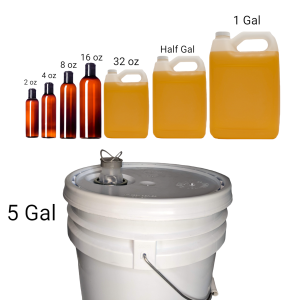
For large quantities please contact us via our phone number or through the Contact Us page.
Like us on Facebook.





Reviews
There are no reviews yet