Description: Polysorbate 80 is another nonionic surfactant similar to Polysorbate 20. It is also known as Tween 80 or polyoxyethylene (20) sorbitan monooleate. The key difference between Polysorbate 20 and Polysorbate 80 lies in the fatty acid component. Polysorbate 20 contains lauric acid, while Polysorbate 80 contains oleic acid.
Botanical Name: NA
Plant Part: NA
Extraction Method: NA
Odor and Appearance:
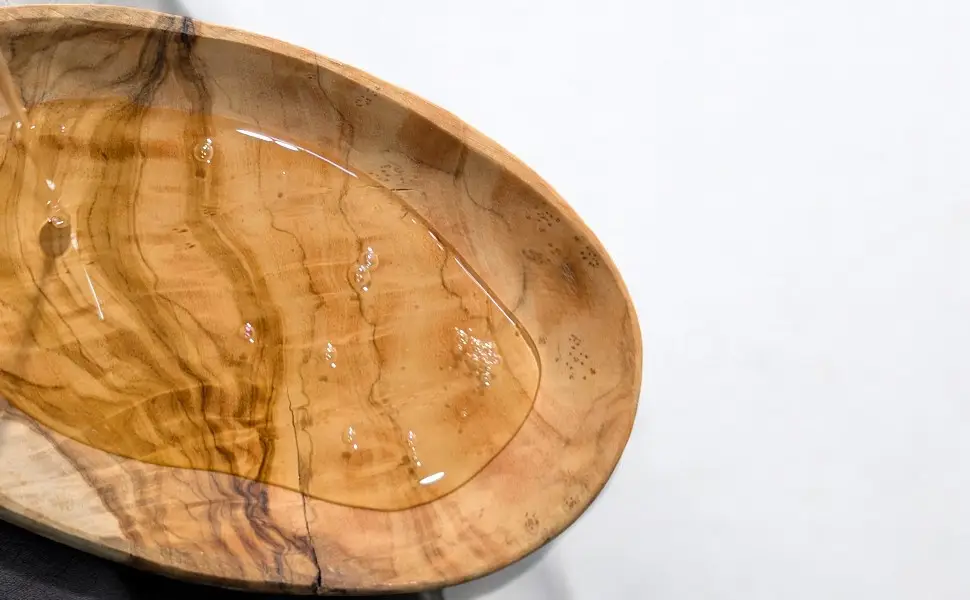
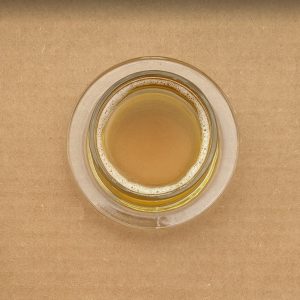
- Color: Pale yellow
- Appearance: Viscous liquid
- Odor: Faint, slightly sweet or waxy
Please note that these characteristics can vary slightly depending on the specific manufacturing process and purity level.
Country of origin: United States, Europe, or Japan.
Main Constituents: Polysorbate 80 is primarily composed of two main constituents:
- Sorbitan: This is a polyol derived from glucose. It forms the base structure of the molecule.
- Polyoxyethylene: This is a hydrophilic chain of ethylene oxide units. It is attached to the sorbitan moiety and imparts water solubility to the molecule.
The specific ratio of sorbitan to polyoxyethylene can vary slightly depending on the manufacturing process, but the general structure remains the same.
Common Uses:
- Emulsifier: Polysorbate 80 is an excellent emulsifier, similar to Polysorbate 20.
- Solubilizer: It can solubilize hydrophobic substances, making them more soluble in water.
- Wetting Agent: Polysorbate 80 reduces the surface tension of liquids, improving their wetting properties.
- Biocompatibility: It’s generally considered biocompatible and is often used in biological and pharmaceutical research.
Industries Where Polysorbate 80 is Used
- Pharmaceutical: As a solubilizer and emulsifier in drug delivery systems, creams, and ointments.
- Cosmetic: In lotions, creams, shampoos, and conditioners to improve texture and stability.
- Food: As an emulsifier in ice cream, baked goods, and beverages.
- Biotechnology: In cell culture media and protein purification.
- Cleaning: As a wetting agent and surfactant in detergents and cleaning products.
Blends well with: Polysorbate 80 is often blended with other ingredients to create various products.
Cosmetics it blends with Emollients, Thickeners, Preservatives, Fragrances.
Pharmaceuticals it blends with Drugs and Excipients.
Food it blends with other emulsifiers, Sweeteners and Colors.
Cleaning Products, it blends with Surfactants and Water softeners.
Industrial Applications it blends with Lubricants and Additives.
It’s important to note that the specific blend of Polysorbate 80 with other ingredients will depend on the desired properties and application of the final product.
Contraindications:
It is generally considered safe for most individuals. However, there are a few instances where it may be contraindicated:
- Allergies: Some people may have allergies or sensitivities to Polysorbate 80. If you experience any adverse reactions, such as skin irritation, redness, or itching, you should discontinue use and consult a healthcare professional.
- Pregnancy and Breastfeeding: While there is limited data on the safety of it during pregnancy and breastfeeding, it is generally considered safe when used as directed. However, if you have concerns, it’s best to consult with your healthcare provider.
- Medical Conditions: Individuals with certain medical conditions may need to avoid or limit their use of it. It’s essential to consult with a healthcare professional if you have any underlying health issues.
If you have any specific concerns about using it, always recommended to consult with a healthcare provider or pharmacist.
Note: While it is generally safe, it can cause allergic reactions in some individuals. It’s important to be aware of potential sensitivities, especially in personal care products.
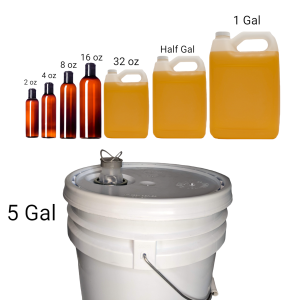
For large quantities please contact us via our phone number or through the Contact Us page.
Like us on Facebook.


Reviews
There are no reviews yet