

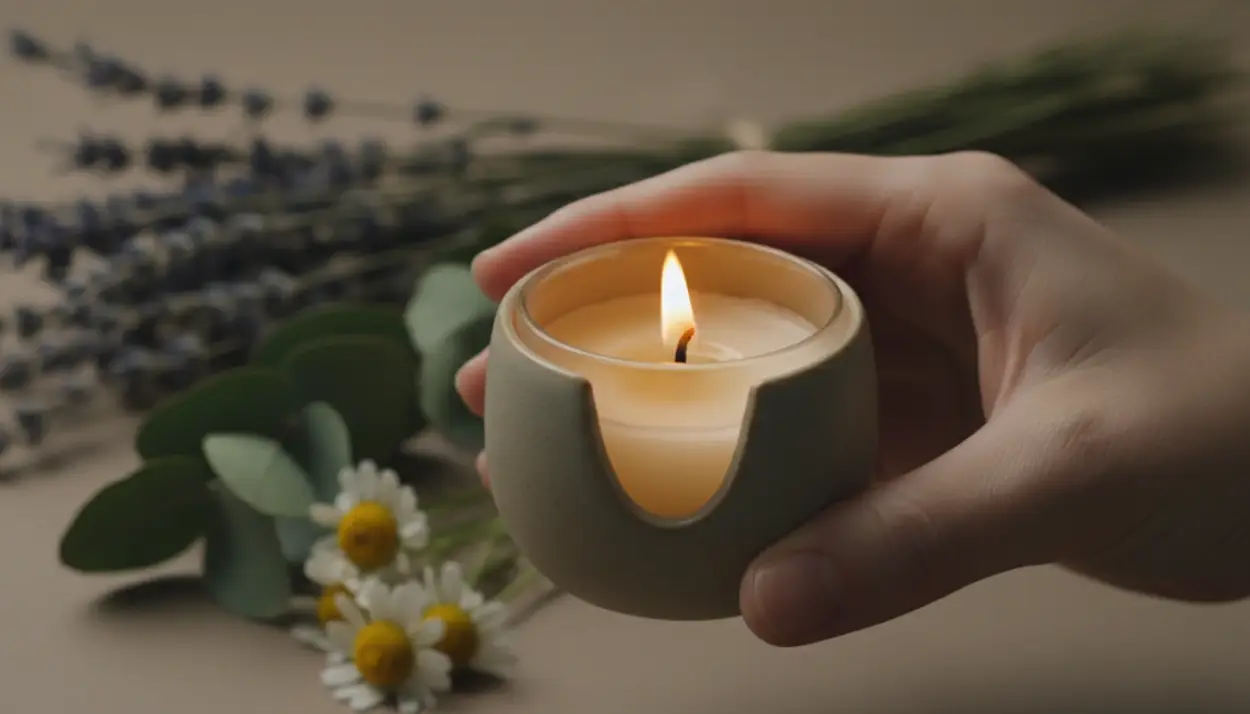
If you love clean, plant-based scents, you’ve probably wondered: can you put essential oils in candles?
The answer is yes — but doing it correctly requires understanding scent chemistry, wax compatibility, fragrance load limits, and burn performance.
This complete guide combines DIY fundamentals with professional formulation strategy so you can create safe, high-performance essential oil candles that actually smell good when burning.

Introduction to Using Essential Oils in Candles
Using essential oils for candles appeals to makers who want:
• Natural, plant-based fragrance
• Clean-label products
• Eco-conscious branding
• Subtle aromatherapy ambiance
However, essential oils behave differently from synthetic fragrance oils. They are more volatile, more sensitive to heat, and require careful formulation.
Done correctly, they can produce beautiful, balanced, all-natural candles.

Can You Put Essential Oils in Candles?
Yes — but not every essential oil performs well in a candle.
Essential oils differ in:
• Flash point
• Volatility
• Molecular stability
• Oxidation rate
• Pet safety considerations
Unlike fragrance oils engineered for combustion, essential oils are complex natural extracts. This means testing is essential.
Why Choose Essential Oils for Candles?
Many candle makers prefer essential oils because they:
• Avoid synthetic fragrance chemicals
• Support “natural” product positioning
• Appeal to wellness-focused customers
• Offer authentic botanical scent profiles
That said, essential oils typically produce a lighter hot throw than fragrance oils. Technique and formulation matter more.

The Science of Scenting Candles with Essential Oils
Understanding a few technical principles will dramatically improve your results.
What Is Flash Point and Why It Matters
Flash point is the lowest temperature at which vapors can ignite under controlled conditions.
Important clarification:
• Soy wax melt pool: ~160–180°F
• Many citrus oils flash point: 110–130°F
This does not automatically make them unsafe — but it increases evaporation risk and scent loss.
Best practice:
Add essential oils between 160–175°F depending on wax manufacturer guidance.
Understanding Hot Throw vs. Cold Throw
• Cold throw = scent strength before burning
• Hot throw = scent strength while burning
Essential oils often struggle with hot throw due to:
• Smaller molecular structure
• Faster evaporation rate
• Lack of synthetic fixatives
Cure time dramatically improves performance.
Recommended cure time: 14 days minimum.
How Wax Type Affects Scent Performance
Not all waxes bind essential oils equally.
The wax matrix influences:
• Fragrance retention
• Burn quality
• Melt pool formation
• Scent diffusion
Choosing the right wax is critical.

Choosing the Right Wax for Essential Oil Candles
Soy Wax
Pros:
• Renewable
• Good adhesion properties
• Balanced scent retention
Cons:
• Max fragrance load typically 8–10%
• Can struggle with very volatile top notes
Best for: Natural container candles.
Beeswax
Pros:
• Dense crystalline structure
• Clean burn
• Long burn time
Cons:
• Natural honey aroma competes with delicate scents
• Lower scent projection
Best for: Woody or resin-based blends.
Coconut Wax Blends
Pros:
• Excellent scent diffusion
• Higher fragrance load tolerance
• Premium appearance
Cons:
• Blend composition varies by supplier
Best for: High-performance natural brands.
Wax Performance Comparison Table
| Wax Type | Max Fragrance Load | Scent Throw | Ease of Use | Best For |
|---|---|---|---|---|
| Soy Wax | 8–10% | Moderate | Beginner-Friendly | Natural container candles |
| Beeswax | 5–8% | Light | Moderate | Resinous blends |
| Coconut Wax | 8–12% | Strong | Moderate | Premium candles |
| Paraffin | 8–12% | Very Strong | Easy | High projection |
Step-by-Step: How to Make an Essential Oil Candle
1. Gather Supplies
• Wax
• Wick
• Container
• Essential oils
• Thermometer
• Double boiler
2. Melt the Wax
Heat slowly to avoid scorching.
3. Measure Fragrance Load
Standard range: 6–10%
Example:
16 oz wax × 0.08 = 1.28 oz essential oil
Avoid exceeding wax capacity.
4. Add Essential Oils at Correct Temperature
Ideal: 160–175°F (for soy).
Stir for 2 minutes minimum to ensure proper distribution.
5. Pour and Cure
Allow candle to cure 14 days for optimal hot throw.

Fragrance Load Performance Testing (Soy Wax – 16oz)
| Fragrance Load | Cure Time | Hot Throw (1–10) | Issues |
|---|---|---|---|
| 6% | 7 days | 4 | Weak projection |
| 8% | 14 days | 7 | Balanced |
| 9% | 14 days | 8 | Slight sweating |
| 10% | 14 days | 8 | Wick mushrooming |
Conclusion:
8–9% provides best balance of scent and burn performance.
Cure Time Impact on Scent Strength
| Cure Time | Cold Throw | Hot Throw |
|---|---|---|
| 48 hours | Light | Very Light |
| 7 days | Moderate | Moderate |
| 14 days | Strong | Strong |
| 21 days | Strong | Slight improvement |
Minimum recommended cure: 14 days.
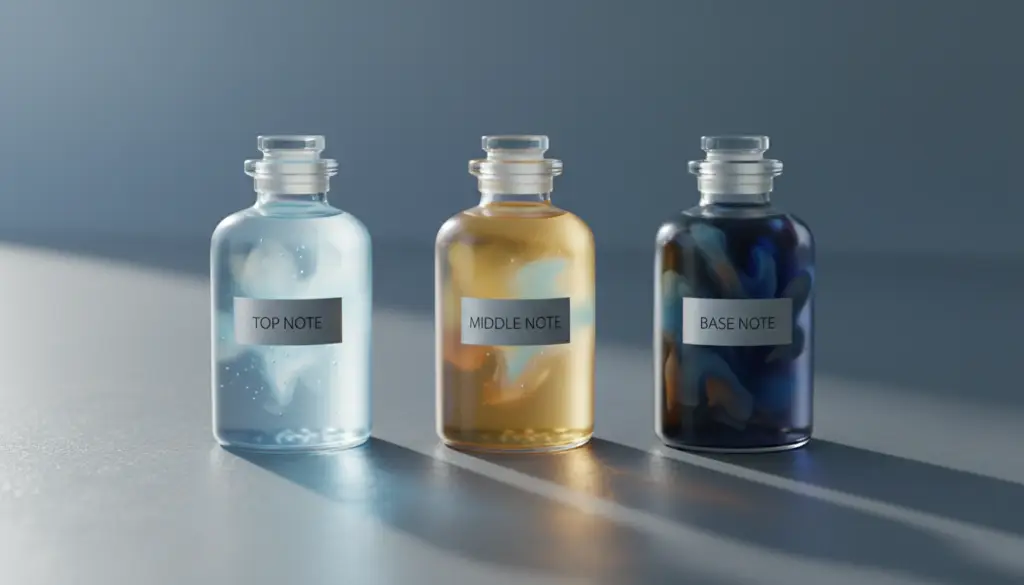
Advanced Scent Blending Chart
Professional blends follow a note pyramid.
Top Notes (30%)
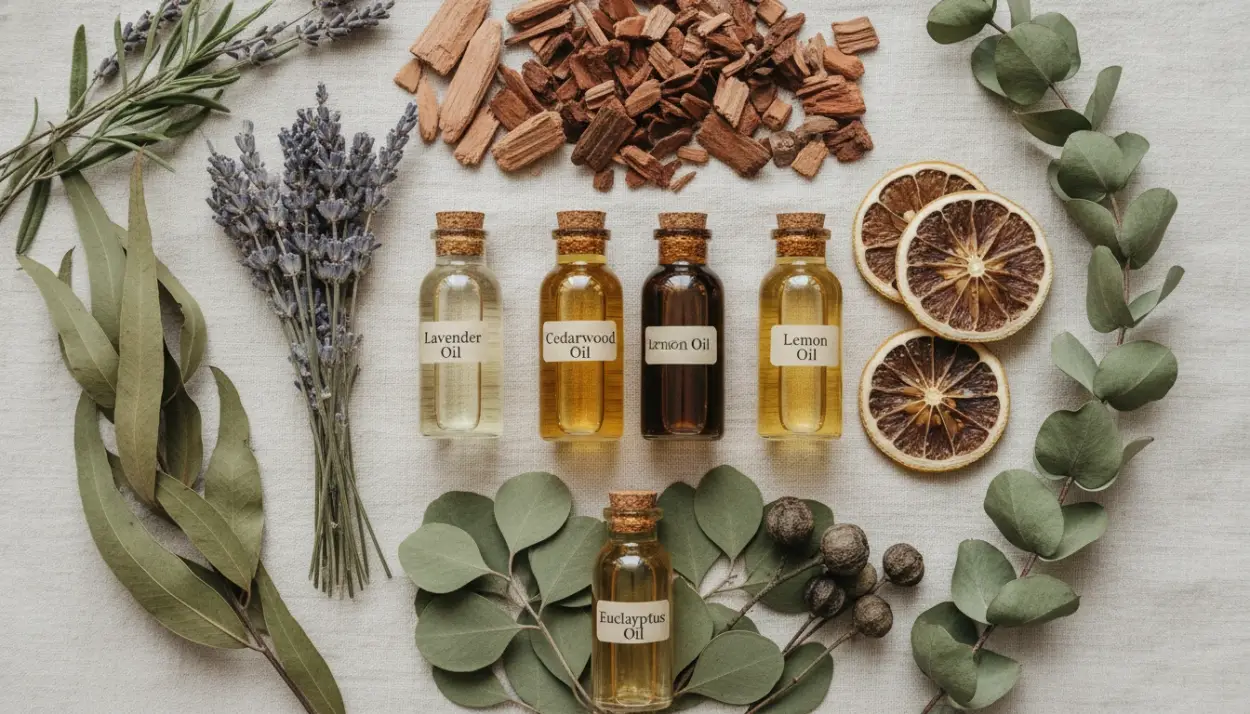
• Lemon
• Bergamot
• Grapefruit
• Eucalyptus
• Peppermint
Fast evaporating.
Middle Notes (40%)
• Lavender
• Geranium
• Rosemary
• Clary Sage
• Ylang Ylang
Provide body.
Base Notes (30%)
• Patchouli
• Cedarwood
• Vetiver
• Sandalwood
• Benzoin
Act as fixatives.
Example High-Performance Blend
Clean Spa Blend (8% total load):
• 30% Eucalyptus
• 40% Lavender
• 30% Cedarwood
Improves hot throw and longevity.
Wick Size Testing Chart
Proper wick sizing ensures full melt pool formation.
| Container Diameter | Suggested Wick (Soy 8%) | Melt Pool Target | Notes |
|---|---|---|---|
| 2.5” | ECO 4–6 | 1.5–2 hrs | Small jars |
| 3” | ECO 8–10 | 2 hrs | 8oz jars |
| 3.5” | ECO 10–12 | 2–3 hrs | 12oz jars |
| 4” | Double Wick ECO 8 | 2–3 hrs | Prevent tunneling |
Full melt pool should reach container edge within 2–3 hours.
Ideal Burn Pool Development
Hour 1:
• Partial melt pool
Hour 2:
• 75% melt pool
Hour 3:
• Full diameter melt pool
Warning signs:
• Tunneling → Wick too small
• Large flame → Wick too large
• Excess soot → Fragrance overload
Safety First: Are Essential Oil Candles Safe?
They can be safe when formulated properly.
Important precautions:
• Do not exceed recommended fragrance load
• Use proper wick sizing
• Ensure room ventilation
• Avoid certain oils for pets
Oils to use cautiously:
• Tea tree
• Eucalyptus
• Clove
• Wintergreen
• Cinnamon bark
For commercial sellers:
Verify IFRA Category 12 compliance.

When to Choose Essential Oils vs Fragrance Oils
| Feature | Essential Oils | Fragrance Oils |
|---|---|---|
| Source | Natural extracts | Synthetic blends |
| Hot Throw | Moderate | Strong |
| Cost | Higher | Lower |
| Stability | Variable | Engineered |
| Best For | Clean branding | Strong projection |
Choose essential oils for natural positioning.
Choose fragrance oils for maximum scent strength.
Why Most Essential Oil Candles Fail
Common mistakes:
• Using 6% load without testing
• Adding oils too hot
• Skipping cure time
• Using incorrect wick size
• Ignoring melt pool behavior
Professional candle making requires testing and documentation.
Frequently Asked Questions
Can I use any essential oil in a candle?
No. Some oils are too volatile or unsuitable for combustion. Always research safety and flash point.
How much essential oil should I add?
6–10% of wax weight.
For 16 oz wax: 1–1.6 oz oil.
Why can’t I smell my candle?
Possible causes:
• Oil added at too high temperature
• Weak oil
• Not cured long enough
• Underwicked candle
• Fragrance load too low
Conclusion
Using essential oils for candles is both an art and a science.
To succeed:
• Choose compatible wax
• Use 8–9% fragrance load for soy
• Cure for 14+ days
• Test wick size
• Monitor burn pool development
• Follow safety guidelines
When engineered correctly, essential oil candles provide beautiful, natural scent with clean-burning performance.
Test small batches. Document results. Improve with each iteration.
That’s how professionals do it.