

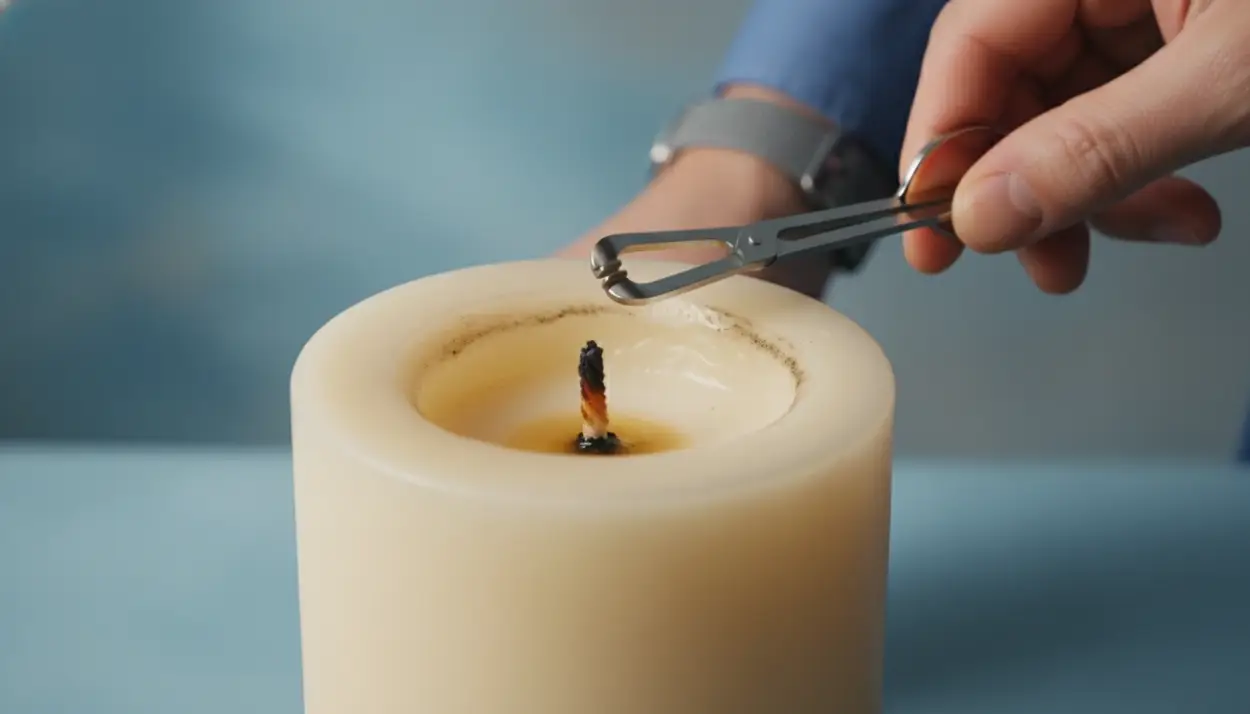
If you want more than a basic one-note candle, learning essential oil candle scent combinations is the key.
Blending essential oils allows you to create:
• Deeper, more complex aromas
• Seasonal signature scents
• Mood-based candles (relaxing, energizing, cozy)
• Unique product lines that stand out
This guide teaches you how to blend essential oils for candles, plus gives you tested seasonal recipes you can start using today.
Introduction
Single-note candles can smell nice — but blends feel intentional and professional.
When you blend correctly, you create a scent journey:
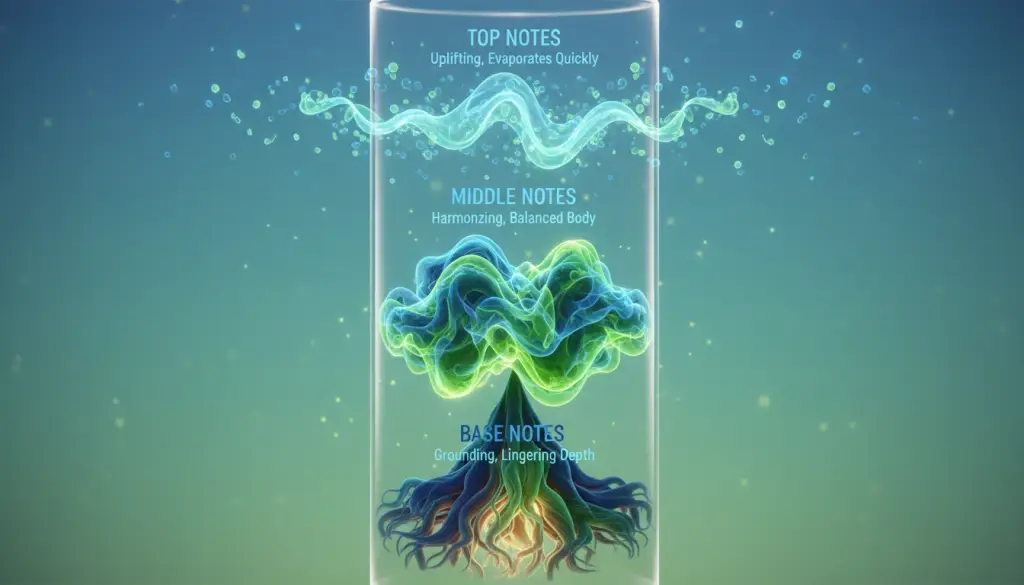
• The first impression (top note)
• The body of the scent (middle note)
• The lasting depth (base note)
Once you understand this structure, you can build endless custom candle fragrances.
Principles of Perfumery for Candle Makers
Before jumping into recipes, let’s understand how scent structure works.
🌿 Top Notes (Fast Evaporating – First Impression)
These are light, fresh, and noticeable immediately.
Examples:
• Lemon
• Grapefruit
• Bergamot
• Peppermint
• Eucalyptus
They create brightness but fade quickly.
🌸 Middle Notes (Heart of the Blend)
These give body and balance.
Examples:
• Lavender
• Geranium
• Clary Sage
• Rosemary
• Ylang Ylang
Middle notes define the personality of your candle.
🌲 Base Notes (Anchors & Fixatives)
These last longest and improve hot throw stability.
Examples:
• Sandalwood
• Cedarwood
• Patchouli
• Vetiver
• Frankincense
Base notes reduce volatility and add depth.

📊 Beginner Blending Ratio
A simple starting formula:
• 30% Top
• 50% Middle
• 20% Base
You can adjust after testing.
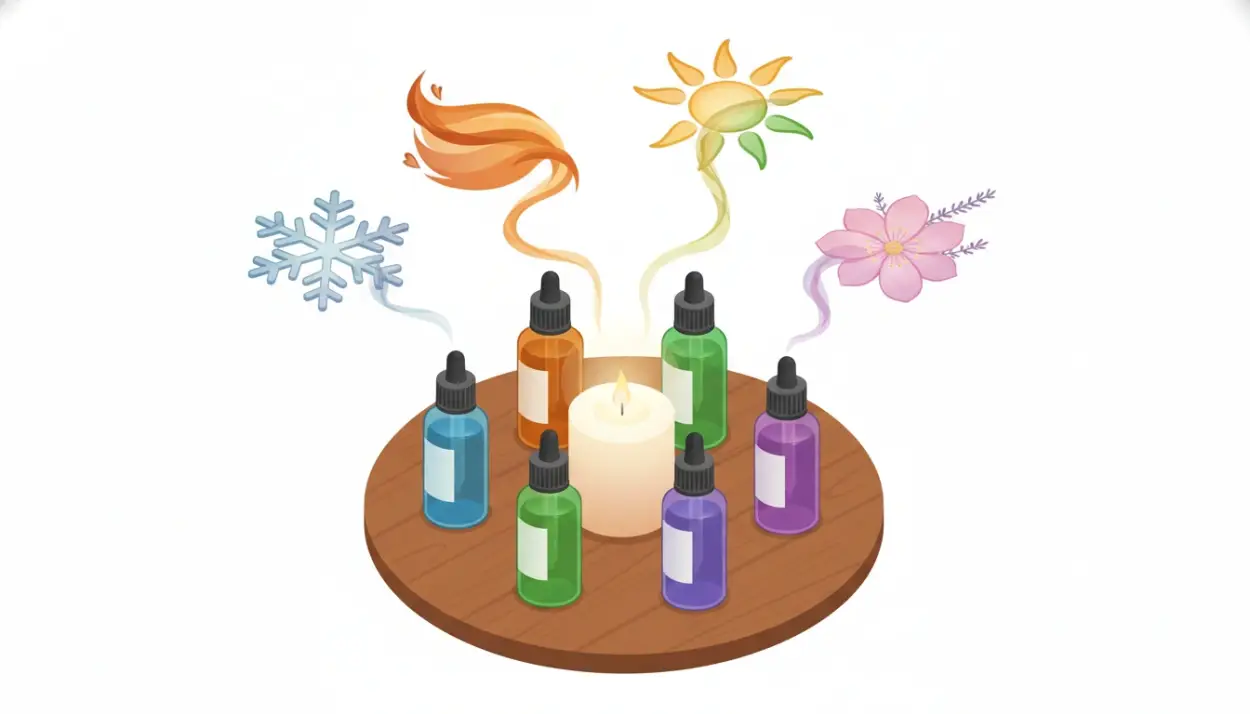
Essential Oil Blending Recipes for Fall 🍂
Warm, cozy, and spicy blends dominate this season.
🍎 Spiced Cider Blend
• 40% Sweet Orange
• 25% Cinnamon
• 20% Clove
• 15% Ginger
Perfect for fall essential oil candle recipes with strong seasonal appeal.
🌲 Autumn Woods Blend
• 50% Cedarwood
• 30% Fir Needle
• 20% Patchouli
Earthy and grounding.
🎃 Pumpkin Spice Alternative
• 40% Cardamom
• 30% Nutmeg
• 30% Cassia
Rich and spicy without synthetic fragrance oils.
Essential Oil Blending Recipes for Winter ❄️
These winter essential oil candle blends focus on warmth and nostalgia.
🔥 Cozy Fireside Blend
• 40% Frankincense
• 35% Sandalwood
• 25% Sweet Orange
Deep and comforting.
🎄 Christmas Tree Blend
• 50% Fir Needle
• 35% Pine
• 15% Peppermint
Fresh evergreen aroma.
🌟 Holiday Spice Blend
• 40% Clove
• 35% Cinnamon
• 25% Nutmeg
Strong and festive.
Essential Oil Blending Recipes for Spring & Summer 🌸☀️
These blends are lighter and uplifting.
🌼 Fresh Meadow Blend
• 40% Lavender
• 35% Geranium
• 25% Clary Sage
Clean and floral.
🍊 Uplifting Citrus Blend
• 40% Grapefruit
• 30% Lemon
• 30% Bergamot
Bright and energizing.
🌊 Relaxing Beach Blend
• 40% Ylang Ylang
• 40% Sandalwood
• 20% Lime
Soft and tropical.
Aromatherapy & Mood-Based Blends
Blending isn’t just seasonal — it can target emotional tone.
😌 For Relaxation
• 50% Lavender
• 25% Chamomile
• 25% Bergamot
Calming and soft.
⚡ For Focus & Energy
• 40% Peppermint
• 30% Rosemary
• 30% Lemon
Sharp and refreshing.
🌿 For Stress Relief
• 40% Frankincense
• 35% Ylang Ylang
• 25% Geranium
Grounding and balanced.

How to Blend Essential Oils for Candles (Step-by-Step)
-
Decide your scent profile (fresh, warm, earthy, floral).
-
Choose oils for top, middle, and base notes.
-
Blend in a small glass bottle first.
-
Let the blend sit 24 hours.
-
Smell again and adjust ratios.
-
Add final blend to wax at proper temperature.
Always test in small batches before scaling.
What Are Good Base Notes for Candle Blends?
Strong base notes include:
• Sandalwood
• Cedarwood
• Patchouli
• Vetiver
• Frankincense
They:
• Improve hot throw
• Add depth
• Reduce top-note evaporation
• Increase scent longevity
If your candle smells strong cold but weak hot, you likely need a stronger base note.
Pro Tips for Stronger Hot Throw
• Use 8–9% fragrance load (for soy)
• Cure 14 days minimum
• Anchor citrus oils with woods
• Avoid overloading spice oils
• Test wick size carefully
Blending improves performance when done strategically.

Conclusion
Blending essential oils is both art and science.
Start with the ratios provided.
Test small batches.
Adjust slowly.
Trust your nose.
The more you experiment with essential oil candle scent combinations, the more confident and creative you’ll become.
Your signature scent might be one blend away.