




Using safe essential oils for candles is critical if you want to enjoy natural fragrance without unnecessary risk. While essential oil candles can be safe, they require more attention to flash points, pet safety, ventilation, and proper burning practices than many people realize.
This guide covers:
• Essential oil candle safety basics
• Flash point rules (the #1 mistake makers make)
• Are essential oil candles toxic?
• Essential oils safe for cats and dogs
• General candle safety best practices
If you make or burn essential oil candles, this is the safety guide you shouldn’t skip.

Introduction
Burning essential oil candles can absolutely be safe and enjoyable — when made and used correctly.
The biggest risks usually come from:
• Ignoring flash points
• Using poor-quality oils
• Overloading fragrance
• Burning candles in poorly ventilated rooms
• Not understanding pet-specific sensitivities
Let’s break down each safety factor clearly.
Understanding Flash Points: The #1 Safety Rule
If there’s one rule in essential oil candle safety, it’s this:
Never ignore flash point.
What Is a Flash Point?
Flash point is the lowest temperature at which vapors from a substance can ignite under specific conditions.
In candle making, this matters because:
• Soy wax melt pool: ~160–180°F
• Some citrus oils flash point: ~110–130°F
If added incorrectly, highly volatile oils can:
• Evaporate rapidly
• Lose scent
• Increase flammability risk
Common Essential Oil Flash Points (Approximate)
| Essential Oil | Flash Point (°F) |
|---|---|
| Lemon | ~118°F |
| Eucalyptus | ~120°F |
| Peppermint | ~151°F |
| Lavender | ~156°F |
| Patchouli | ~212°F |
| Sandalwood | ~190°F |
Higher flash point oils tend to be more stable in hot wax.

Risks of Using Low Flash Point Oils
• Increased evaporation
• Weak scent throw
• Oil separation
• Elevated fire hazard if misused
Best practice:
Add oils between 160–175°F and never exceed wax manufacturer guidelines.
Are Essential Oil Candles Toxic When Burned?
This is one of the most common concerns.
The truth:
Properly formulated essential oil candles are not inherently toxic, but safety depends on formulation, ventilation, and oil selection.
Diffusing vs Combusting Essential Oils
There is a difference between:
• Diffusing oil into air
• Burning oil within a candle flame environment
Combustion changes chemical structures. That’s why:
• Fragrance load must be controlled
• High-quality oils must be used
• Additives and unknown dilutions should be avoided
Always burn candles in well-ventilated spaces.
Why Oil Quality Matters
Low-quality or diluted oils may contain:
• Synthetic additives
• Residual solvents
• Unknown fragrance extenders
Burning unknown ingredients increases risk.
Choose reputable suppliers with transparency and documentation.
Pet Safety: Essential Oils That Are Harmful to Cats and Dogs
If you’re wondering:
Are essential oil candles safe for pets?
The answer depends heavily on the oil used.
Why Cats Are More Sensitive
Cats lack certain liver enzymes that help metabolize compounds found in essential oils.
This makes them more vulnerable to airborne exposure.
Essential Oils Commonly Considered Toxic to Dogs
• Tea Tree
• Pennyroyal
• Wintergreen
• Clove (high concentrations)
Essential Oils Often Considered Risky for Cats
• Peppermint
• Citrus oils
• Eucalyptus
• Lavender
• Tea Tree
Even oils considered “mild” for humans can irritate pets.
Signs of Essential Oil Exposure in Pets
• Drooling
• Lethargy
• Vomiting
• Respiratory distress
• Tremors
If symptoms appear, contact a veterinarian immediately.
Creating a Pet-Safe Candle
If you have pets at home, follow these guidelines:
• Choose milder oils or go unscented
• Keep fragrance load on lower end (6–7%)
• Ensure strong ventilation
• Keep candles well out of reach
• Never confine pets in small rooms with burning candles
When in doubt, prioritize pet safety over scent strength.
General Candle Making and Burning Best Practices
These apply whether using essential oils or fragrance oils.
During Candle Making
• Never overheat wax
• Add oils at correct temperature
• Do not exceed fragrance load
• Test every formulation
During Burning
• Never leave a candle unattended
• Keep wick trimmed to ¼ inch
• Burn on a heat-resistant surface
• Keep away from drafts
• Stop burning when ½ inch of wax remains
Avoid Phototoxic Oils for Skin-Contact Candles
If making massage candles, avoid phototoxic oils such as:
• Certain citrus oils (especially expressed lemon, lime, bergamot)
FAQ
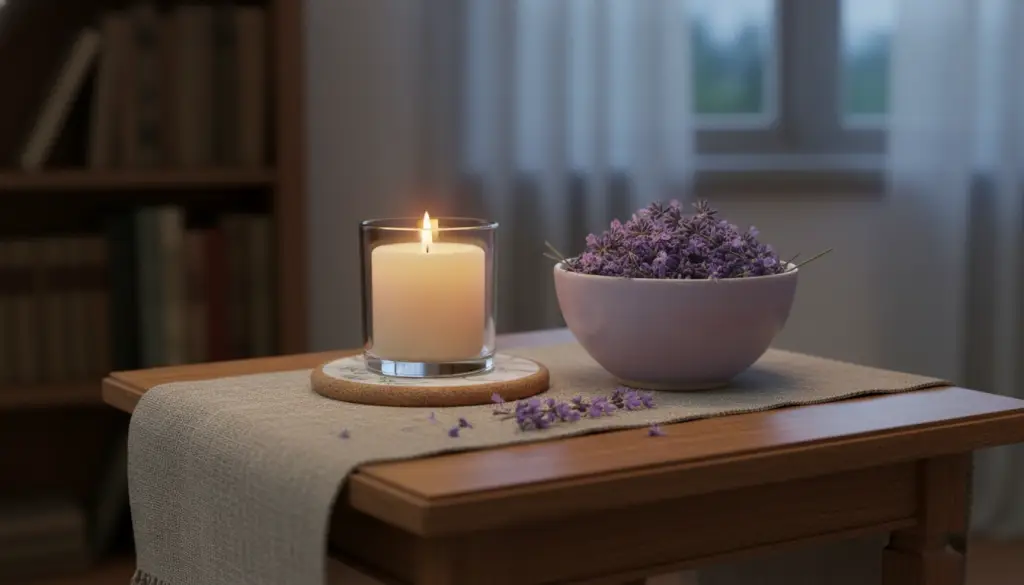
Is it safe to burn lavender essential oil candles around cats?
Lavender is often listed as potentially unsafe for cats in concentrated or airborne exposure.
If burning lavender candles:
• Ensure strong ventilation
• Do not confine cats in the room
• Monitor behavior carefully
When uncertain, avoid lavender in cat households.
What happens if you use an oil with a low flash point?
If the oil’s flash point is significantly lower than wax temperature:
• Oil may evaporate quickly
• Scent may disappear
• In extreme cases, vapors could ignite
Proper temperature control prevents this issue.
Essential Oil Candle Safety Checklist
Before burning:
✔ Correct fragrance load
✔ Proper wick size
✔ 14-day cure completed
✔ Room ventilated
✔ Pets removed from confined area
✔ Wick trimmed
Safety is a system — not a single step.
Conclusion
Essential oil candles can be safe when made and burned responsibly.
Prioritize:
• High flash point oils
• Controlled fragrance load
• Proper cure time
• Ventilation
• Pet-specific awareness
• Standard fire safety rules
When you combine proper formulation with safe burning habits, you can enjoy the natural ambiance of essential oil candles with confidence and peace of mind.