
Description: Cornmint Essential Oil, derived from the Mentha arvensis plant (often searched as corn mint oil or Japanese Mint), is a highly aromatic oil known for its invigorating and minty scent, as well as its therapeutic properties. The plant is a species of mint that belongs to the Lamiaceae family and is native to Asia and Europe. The oil is obtained through steam distillation from the leaves and flowering tops of the cornmint plant.
What is Cornmint Oil? Also known as Field Mint or Wild Mint, Cornmint is the primary source of commercial menthol crystals. Unlike its cousin Peppermint, Cornmint boasts a higher menthol content, making it intensely cooling and effective for heavy-duty therapeutic applications.
- Aroma: Cornmint Essential Oil features a strong, fresh, and minty aroma with cool undertones that are reminiscent of peppermint essential oil, although it tends to be slightly milder in sweetness but sharper in coolness.
- Therapeutic Properties: The oil is known for its therapeutic benefits, which include analgesic (pain-relieving), anti-inflammatory, antimicrobial, and decongestant properties.
- Pain Relief: Cornmint Essential Oil is often used topically to provide relief from muscular pain, headaches, and joint discomfort due to its analgesic properties.
- Respiratory Support: The oil’s cooling and decongestant properties make it useful in inhalation blends to help alleviate respiratory congestion and promote clearer breathing.
- Mental Alertness: The invigorating aroma of Cornmint Essential Oil can help promote mental clarity, focus, and alertness, often cited in clarity essential oil uses.
- Digestive Aid: When diluted and applied topically to the abdominal area, the oil might assist in relieving digestive discomfort and bloating.
- Cooling Sensation: Due to its menthol content, Cornmint Essential Oil provides a cooling sensation when applied to the skin, making it a common ingredient in pain-relieving balms and gels.
- Cornmint Oil for Mice & Pest Control: Thanks to its high menthol concentration, many users seek where to buy cornmint oil for mice. It is a potent natural repellent. For a powerful DIY deterrent, blend with cornmint citronella and linseed essential oils to create a barrier against rodents and insects.
Cornmint vs Peppermint Oil: While Peppermint essential oil (Mentha piperita) is sweeter and preferred for perfumery, Cornmint (Mentha arvensis) is higher in menthol and often more affordable. Is cornmint oil the same as peppermint oil? No, but they are close cousins. Cornmint is excellent for “heavy lifting” in pain relief and repellents where high menthol impact is needed.
Botanical Name: Mentha Arvensis
Plant Part: Leaves
Extraction Method: Steam distilled
Odor and Appearance: Freshly extracted oil is thin and clear, with a tinge of yellow. Its aroma is hot, rich, perfumery, herbaceous, and very minty.
Country of origin: India
Main Constituents: Menthol, Menthone, and Isomenthone
| Compound | Approximate Percentage | Function |
|---|---|---|
| Menthol | 70–85% | Cooling sensation, analgesic, respiratory support |
| Menthone | 5–15% | Enhances pain relief and aroma |
| Isomenthone | Trace–5% | Supports therapeutic depth |
| Other terpenes | <5% | Aroma balance |
Common Uses: Commonly used in aromatherapy to boost energy and focus, it offers analgesic benefits for pain relief when massaged onto sore muscles and joints. Its cooling properties make it helpful for respiratory issues and skin irritations. Diluted applications may soothe digestion discomfort, while its insect-repelling nature finds use in natural repellents.
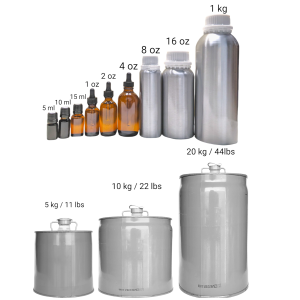
Where can you buy corn mint oil for these uses? Right here, in bulk or small quantities.
Note: Top note
Blends well with: Basil, lavender, cypress, rosemary, lemon, and tea tree essential oils. Also blends effectively in the popular cornmint oil citronella oil and linseed oil mixture.
Contraindications: They precaution against using it topically near the face of children and infants. Commint is only meant for external use. Ingestion, especially in large doses, may lead to harmful side effects. Cornmint is best used with a carrier oil for direct skin contact. People with sensitive skin should perform a skin patch test to check for any allergic reactions. It is also essential to avoid applications near sensitive areas like the eyes and ears. This oil must not be used together with any anticoagulant medication because it can hasten its effects and cause excessive bleeding. Patients with gastroesophageal reflux disease (GERD) and those with cholestasis should also avoid cornmint oil.
These statements have not been evaluated by the Food and Drug Administration. This product is not intended to diagnose, treat, cure, or prevent any disease.
For large quantities please contact us via our phone number or through the Contact Us page.
Like us on Facebook.




First time using this. Wonderful surprise