


Aromatic oils for massage combine the benefits of touch with the natural properties of essential oils. Used correctly, they can help calm the mind, relax the body, and support muscle comfort and emotional balance. Whether you are seeking stress relief, post-workout recovery, or a calming bedtime routine, aromatic massage oils offer a simple and natural wellness solution.
This pillar guide explains how aromatic oils work in massage, how they support relaxation and muscle care, and how to use them safely. It also helps you understand which essential oils are commonly chosen for different massage goals.

How Aromatic Oils Support Relaxation and Stress Relief
How stress affects the body
Stress does not only affect the mind. It often shows up physically as tight shoulders, stiff neck muscles, shallow breathing, headaches, or difficulty sleeping. Over time, chronic stress can keep the body in a constant state of tension, making it harder to fully relax.
Massage helps release physical tension, while aromatic oils add a sensory layer that supports emotional calm. Together, they address both the mental and physical effects of stress.
Why massage and aroma work well together
Massage stimulates circulation, relaxes muscles, and activates the body’s natural relaxation response. When essential oils are added, their aromas are inhaled during the massage, interacting with the brain’s emotional center.
This combination can:
-
Encourage deeper relaxation
-
Support calm breathing
-
Reduce mental fatigue
-
Create a more complete sense of comfort
Aromatic massage is especially effective for people dealing with daily stress or emotional overload.
Essential oils commonly used for relaxation massage
Some essential oils are widely chosen for calming massage routines due to their gentle, grounding aromas.
Popular relaxation oils include:
-
Lavender – known for its calming and soothing scent
-
Frankincense – valued for grounding and emotional balance
-
Ylang-ylang – often used to promote relaxation and mood balance
These oils are frequently featured in evening and stress-relief massage blends.
Aromatic Oils for Sleep and Night-Time Massage
Why night-time massage supports better rest
Evening massage helps signal to the body that it is time to slow down. Gentle massage movements relax muscles and calm the nervous system, making it easier to transition into rest.
When paired with relaxing aromas, night-time massage can support:
-
A calmer mind before bed
-
Slower breathing
-
Reduced restlessness
-
A more peaceful bedtime routine
Essential oils used in bedtime massage routines
Certain essential oils are often chosen specifically for night-time use.
Common choices include:
-
Lavender for relaxation and comfort
-
Frankincense for deep calm
-
Ylang-ylang for emotional softness
These oils are usually blended lightly and applied to areas like the shoulders, feet, or hands as part of an evening ritual.
Aromatic Oils for Muscle Comfort and Physical Recovery
Why muscles feel tight or sore
Muscle tension can come from physical activity, long hours of sitting, repetitive movement, or stress. Tight muscles may reduce flexibility and cause discomfort if not addressed.
Massage helps loosen tight tissue, improve circulation, and encourage muscle recovery.
How massage supports muscle recovery
Massage increases blood flow to tired muscles, helping deliver oxygen and nutrients while removing built-up waste. When aromatic oils are added, certain essential oils can create cooling or refreshing sensations that enhance comfort.
Essential oils used for muscle-focused massage
Some essential oils are commonly used in massage blends designed for physical comfort.
Popular muscle care oils include:
-
Peppermint – offers a cooling, refreshing sensation
-
Eucalyptus – often used for invigorating massage blends
These oils are frequently chosen for post-workout massage or areas like the neck, shoulders, and legs.
Using Aromatic Oils Safely for Full-Body Massage
Why dilution is essential
Essential oils are highly concentrated and should never be applied directly to the skin. Carrier oils dilute essential oils, making them safe while also providing smooth glide for massage.
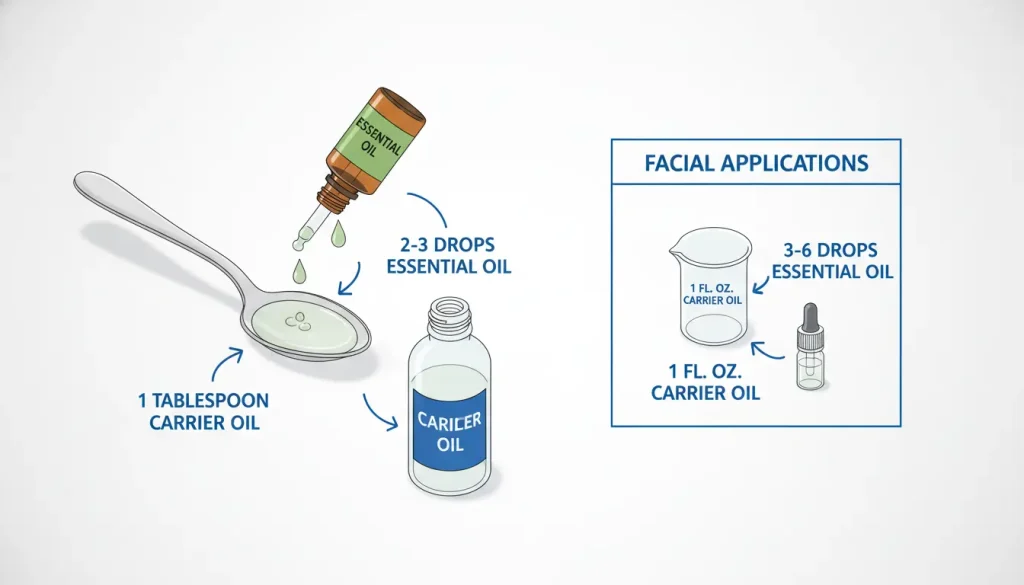
A common guideline for general massage is:
-
1–2 drops of essential oil per teaspoon of carrier oil
Choosing the right carrier oil
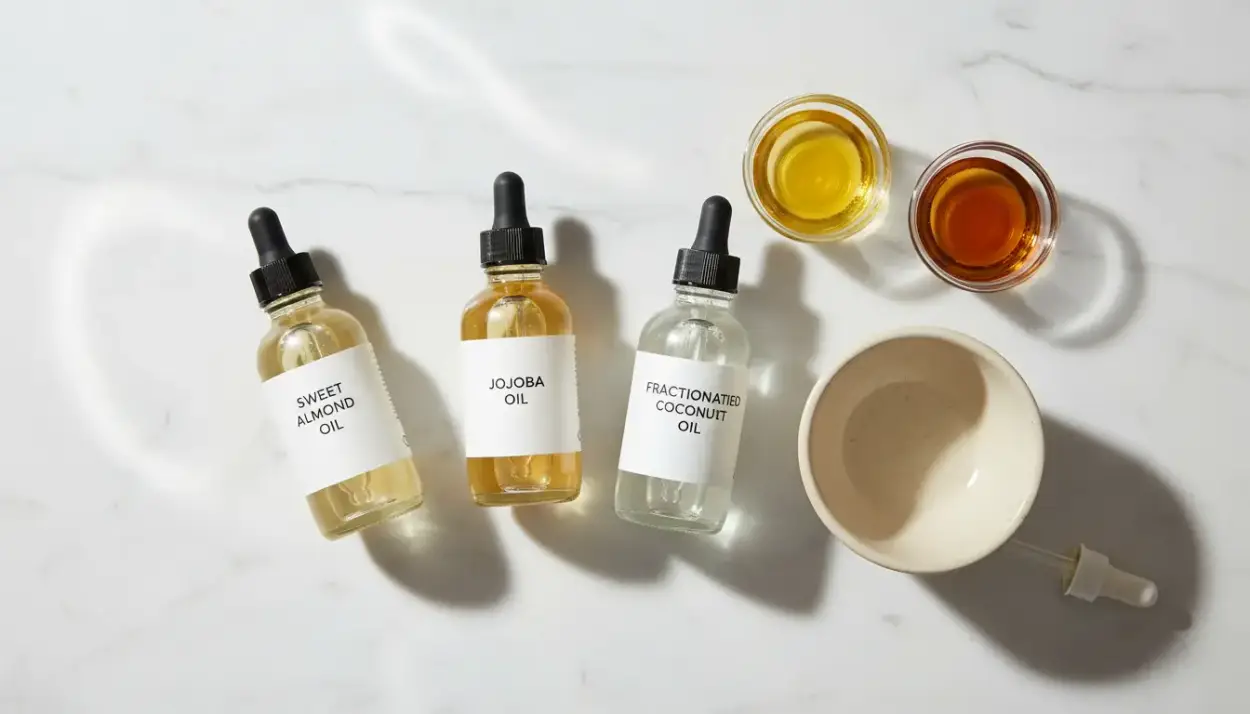
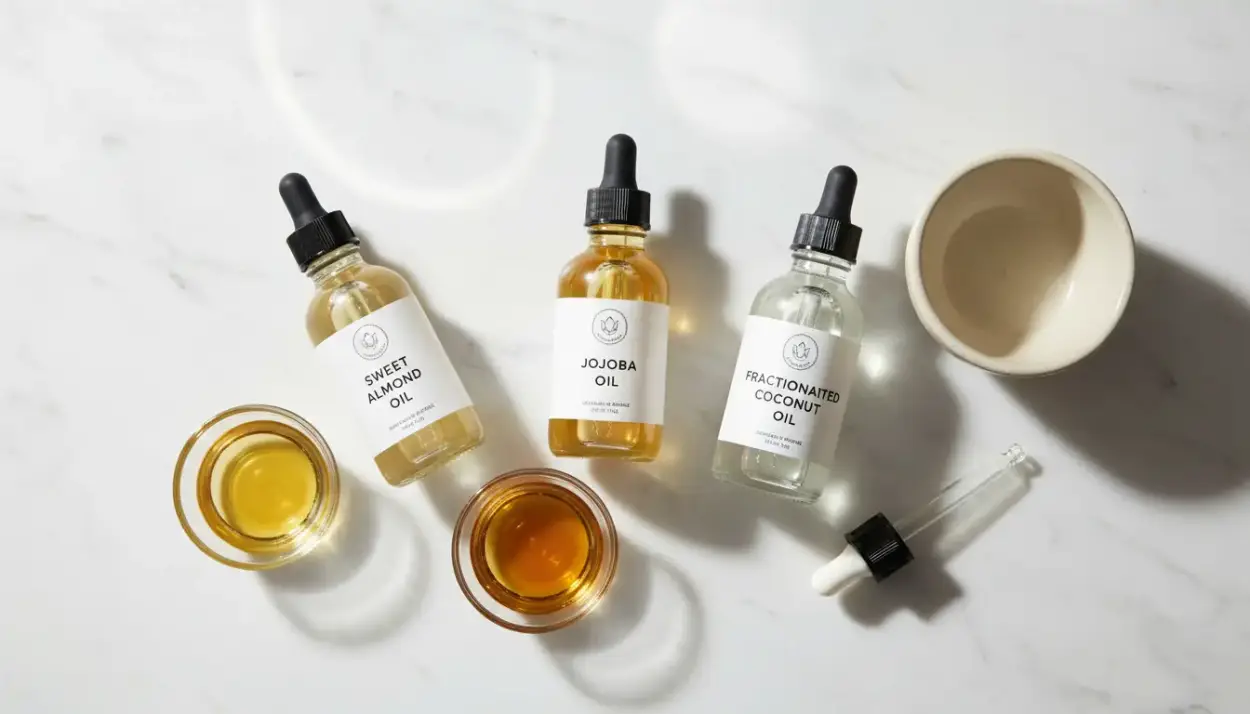
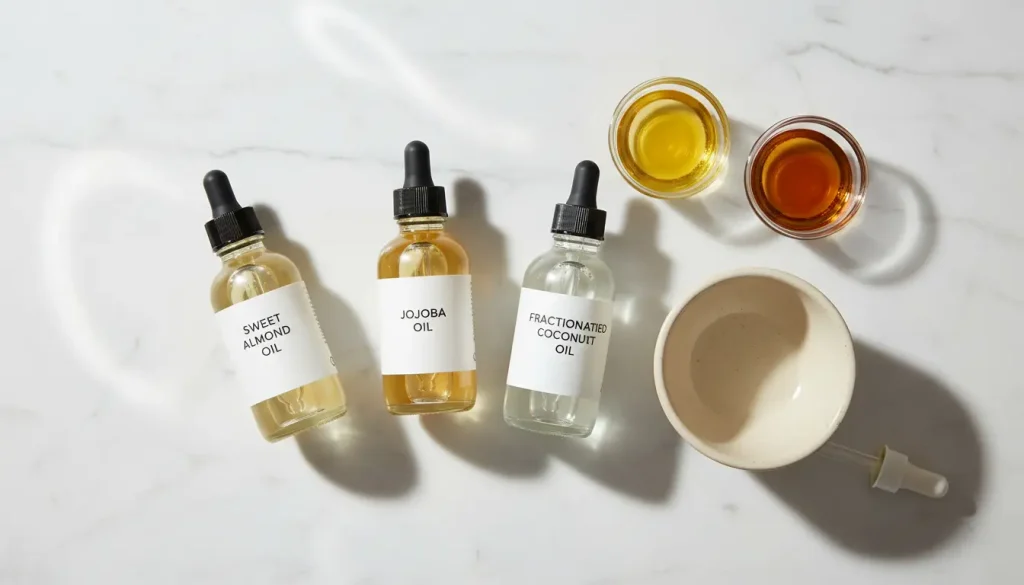
Carrier oils affect how a massage feels on the skin. Lighter oils absorb quickly, while richer oils provide more nourishment.
Popular massage base oils include:
Simple safety tips
-
Perform a patch test before full use
-
Avoid contact with eyes and sensitive areas
-
Use caution with citrus oils before sun exposure
-
Consult a professional if pregnant or managing health conditions

Aromatic Massage for Mood, Energy, and Balance
Not all massage routines are designed to calm. Some are meant to uplift and energize. Morning or daytime massage blends often focus on clarity, focus, and emotional balance.
Essential oils commonly used for mood and energy massage include:
-
Citrus oils for brightness and motivation
-
Peppermint for mental clarity
-
Geranium for emotional balance
These blends are often lighter and used earlier in the day.
Conclusion – Building a Balanced Aromatic Massage Practice
Aromatic oils for massage offer a flexible and natural way to support relaxation, muscle comfort, sleep, and emotional balance. By understanding how essential oils work with massage, you can choose blends that match your wellness goals.
Whether you are creating a calming evening ritual, supporting muscle recovery, or uplifting your mood, the key is mindful use. Start with simple blends, follow proper dilution, and focus on consistency rather than complexity. With the right approach, aromatic massage can become a grounding and restorative part of everyday life.